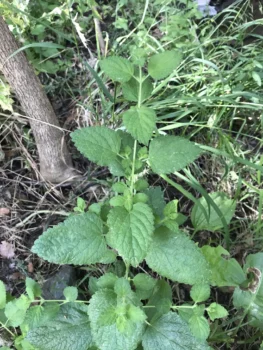
Common Balm: The Fragrant Herb That’s Both Friend and Foe in Your Garden
If you’ve ever caught a whiff of lemony sweetness while brushing past a plant in someone’s herb garden, chances are you’ve met common balm (Melissa officinalis). This perennial herb has been winning over gardeners for centuries with its delightful fragrance and easy-going nature, though it comes with a few quirks you’ll want to know about before welcoming it into your landscape.
What Exactly Is Common Balm?
Common balm, also widely known as lemon balm, is a perennial forb that belongs to the mint family. As a forb, it’s an herbaceous plant without woody stems, relying on its perennating buds at ground level to return year after year. This charming plant sports heart-shaped, serrated leaves that release their signature lemony scent when touched, and produces small clusters of white to pale yellow flowers during the summer months.
The Not-So-Native Truth
Here’s where things get interesting: despite its widespread presence across North America, common balm isn’t actually a native plant. Originally from Europe, Western Asia, and North Africa, this herb has naturalized throughout much of the continent, now growing wild in British Columbia, Manitoba, Ontario, Quebec, and across 33 U.S. states from coast to coast.
- Species observed
- No observations
While it reproduces spontaneously in the wild and persists without human help, common balm isn’t currently classified as invasive in most areas. However, its enthusiastic spreading habit means you’ll want to keep an eye on it in your garden.
Where Common Balm Thrives
This adaptable herb is quite the survivor, preferring upland areas and rarely venturing into wetlands. Across most regions, it’s classified as obligate upland, meaning you’ll almost never find it in soggy spots. The one exception is the Western Mountains, Valleys, and Coast region, where it’s more flexible about moisture levels.
Common balm flourishes in USDA hardiness zones 4-9, making it suitable for most temperate gardens. It’s remarkably tolerant of various growing conditions, preferring full sun to partial shade and well-drained soil, though it can handle less-than-perfect conditions once established.
Why Gardeners Love (and Sometimes Regret) Common Balm
There are plenty of reasons why common balm has earned a spot in gardens worldwide:
- Incredibly fragrant leaves perfect for teas, cooking, and aromatherapy
- Attracts beneficial pollinators including bees and butterflies
- Drought tolerant once established
- Easy to grow and virtually maintenance-free
- Excellent for herb gardens, cottage gardens, and informal landscapes
- Can serve as fragrant ground cover or border planting
But here’s the catch: common balm can be quite the enthusiastic spreader. Many gardeners start with a small plant and find themselves with a balm empire within a few seasons. It’s not aggressive enough to be considered invasive, but it definitely knows how to make itself at home.
Growing Common Balm Successfully
If you decide to grow common balm, here’s how to keep it happy (and contained):
- Plant in full sun to partial shade for best growth
- Ensure well-drained soil, though it’s not particularly fussy about soil type
- Water regularly during establishment, then let it fend for itself
- Harvest leaves regularly to encourage fresh growth and prevent excessive spreading
- Consider planting in containers or installing root barriers to control spread
- Cut back flower stems before they set seed to prevent self-seeding
- Divide clumps every few years to maintain vigor and manage size
Supporting Native Alternatives
While common balm is a delightful herb, supporting native plants in your landscape helps local ecosystems thrive. Consider these native alternatives that offer similar benefits:
- Wild bergamot (Monarda fistulosa) – aromatic leaves and showy flowers beloved by pollinators
- American pennyroyal (Hedeoma pulegioides) – native mint family member with strong fragrance
- Nodding onion (Allium cernuum) – edible native bulb with attractive flowers
- Native mints like wild mint (Mentha canadensis) where appropriate
The Bottom Line
Common balm is a wonderful herb that brings fragrance, pollinator benefits, and culinary possibilities to your garden. While it’s not native to North America, it’s generally well-behaved enough to grow without guilt, especially if you’re mindful of its spreading tendencies. Just remember to harvest regularly, consider containment strategies, and maybe plant a few native herbs alongside it to give local wildlife the best of both worlds.
Whether you’re brewing evening tea or simply enjoying the lemony scent as you walk through your garden, common balm offers simple pleasures that have been delighting gardeners for generations. Just don’t say we didn’t warn you about its ambitious nature!