Common Brassbuttons: A Water-Loving Ground Cover for Wet Gardens
If you’re struggling to find plants that thrive in those soggy spots in your garden, you might want to meet common brassbuttons (Cotula coronopifolia). This cheerful little perennial has made itself quite at home in wet areas across North America, though it originally hails from much farther away.
What Are Common Brassbuttons?
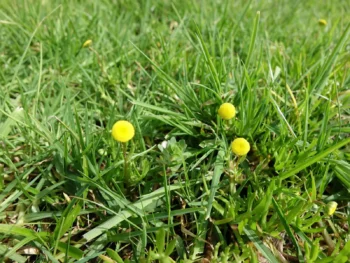
Common brassbuttons are low-growing, mat-forming perennials that belong to the forb family – essentially herbaceous plants without woody stems. What makes them special are their bright yellow, button-like flowers that seem to glow against their finely divided, somewhat succulent foliage. These little beauties bloom from spring through fall, providing long-lasting color in challenging wet conditions.
Where Do They Come From and Where Do They Grow?
Here’s where things get interesting: while common brassbuttons have naturalized across many parts of North America, they’re actually not native to our continent. Originally from South Africa, these plants have established themselves in wet areas throughout British Columbia, Alaska, New Brunswick, Arizona, California, Nova Scotia, Prince Edward Island, Quebec, Massachusetts, Nevada, Oregon, and Washington.
- Species observed
- No observations
As non-native plants that reproduce and persist without human intervention, common brassbuttons occupy a somewhat complex position in the gardening world. They’re not currently listed as invasive, but their non-native status means they don’t provide the same ecological benefits as indigenous plants.
What Makes Them Special in the Garden?
Common brassbuttons excel in one particular niche: they absolutely love water. In fact, they’re classified as Obligate Wetland plants, meaning they almost always occur in wetlands. This makes them perfect for:
- Pond margins and water garden edges
- Rain gardens and bioswales
- Bog gardens
- Coastal gardens (they tolerate salt spray beautifully)
- Any consistently moist to wet area where other plants struggle
Their mat-forming habit creates a lovely ground cover that can help prevent soil erosion in wet areas, while their bright yellow flowers attract small pollinators like bees and other beneficial insects.
Growing Conditions and Care
If you’re considering common brassbuttons for your wet garden spaces, here’s what they need to thrive:
- Sunlight: Full sun to partial shade
- Soil: Consistently moist to wet conditions – they cannot tolerate drought
- Hardiness: USDA zones 7-10
- Special conditions: Tolerates brackish water and salt spray, making them excellent for coastal gardens
Planting and Maintenance Tips
Common brassbuttons are refreshingly low-maintenance once you get them established:
- Plant in spring when the soil is consistently moist
- Ensure they have access to constant moisture – this is non-negotiable
- They spread readily in suitable conditions, so give them room or be prepared to manage their expansion
- Very little care needed once established, as long as water needs are met
- Deadheading spent flowers can encourage continued blooming, though it’s not necessary
Should You Plant Common Brassbuttons?
This is where gardening gets nuanced. Common brassbuttons can be excellent problem-solvers for challenging wet spots where few other plants will grow. They’re not aggressive invaders, and they provide some benefits to small pollinators. However, as non-native plants, they don’t support local ecosystems the way indigenous species do.
If you’re committed to native gardening, consider these alternatives for wet areas:
- Native sedges and rushes
- Wild bergamot or other native mints
- Native asters that tolerate wet conditions
- Regional wetland wildflowers
However, if you have a particularly challenging wet spot and common brassbuttons seem like the right fit, they can serve as a functional solution while you work on establishing more native alternatives.
The Bottom Line
Common brassbuttons offer a practical solution for wet garden areas with their cheerful yellow flowers and reliable performance. While they’re not native, they’re also not problematic invaders. Whether you choose to grow them depends on your gardening priorities – if solving a wet-soil challenge trumps native plant preferences, they might just be your answer. Just remember to keep those native alternatives in mind for future plantings!