Common Bushweed: A Tough Tropical Shrub for Challenging Gardens
If you’re dealing with a tough spot in your tropical garden where nothing seems to thrive, common bushweed (Flueggea virosa) might catch your attention. This hardy little shrub has made itself at home in Puerto Rico and other warm climates, proving that sometimes the most unassuming plants can be surprisingly resilient.
What Is Common Bushweed?
Common bushweed is a perennial shrub that typically grows as a multi-stemmed woody plant reaching up to 13-16 feet in height, though it’s often much smaller in garden settings. Don’t let the name fool you – while it might sound like something you’d want to pull out of your garden, this plant has some interesting qualities that make it worth considering for certain situations.
You might also see this plant listed under its scientific name Flueggea virosa, or its botanical synonym Phyllanthus virosus. It’s part of a family of plants known for their ability to tough it out in challenging conditions.
Where Does It Come From?
Originally native to tropical regions of Africa and Asia, common bushweed has traveled far from its homeland. In the United States, you’ll find it growing in Puerto Rico, where it has established itself as a non-native species that reproduces on its own in the wild.
- Species observed
- No observations
Should You Plant Common Bushweed?
Here’s where things get interesting. Common bushweed isn’t native to Puerto Rico (or anywhere else in the US), but it’s not currently listed as invasive either. This puts it in a gray area that many gardeners face when choosing plants.
Consider common bushweed if you:
- Have a difficult spot with poor soil that other plants won’t tolerate
- Need a low-maintenance shrub for a xerophytic (drought-tolerant) landscape
- Want something that can handle neglect once established
- Live in USDA zones 10-12 where tropical plants thrive
However, since it’s not native, you might want to consider native alternatives that provide similar benefits while supporting local ecosystems. Native shrubs often offer better wildlife value and are naturally adapted to local conditions.
What Does It Look Like?
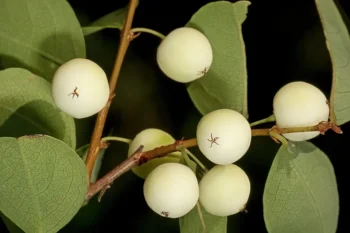
Don’t expect showstopping flowers or dramatic foliage from common bushweed. This is a plant that wins with function over form. It has simple, alternate leaves and produces tiny, inconspicuous flowers that develop into small berries. Think of it as the reliable friend who’s always there for you – not flashy, but dependable.
Growing Common Bushweed Successfully
If you decide to give common bushweed a try, you’ll find it refreshingly easy to please. This shrub thrives in USDA hardiness zones 10-12, making it suitable only for tropical and subtropical climates.
Ideal Growing Conditions
Common bushweed is surprisingly adaptable when it comes to growing conditions:
- Sun exposure: Full sun to partial shade
- Soil: Tolerates poor soils and various soil types
- Water: Drought tolerant once established
- Maintenance: Low maintenance requirements
Planting and Care Tips
Getting common bushweed established is straightforward. Plant it in a location where it has room to spread, as it can develop into a multi-stemmed shrub over time. Water regularly during the establishment period, but once the roots are established, this tough customer can handle dry spells with ease.
Pruning can help maintain shape and size if needed, and the plant generally responds well to being cut back. Since it’s quite hardy, you don’t need to worry too much about perfect timing or technique.
Wildlife and Pollinator Benefits
While common bushweed does produce small berries that may provide some food for birds, its flowers are primarily wind-pollinated and don’t offer significant benefits to pollinators like bees and butterflies. If supporting pollinators is important to your garden goals, you’ll want to complement this plant with more pollinator-friendly species.
The Bottom Line
Common bushweed fills a specific niche – it’s the plant you choose when you need something tough and reliable rather than beautiful and beneficial to wildlife. While it can certainly earn its place in challenging garden spots, consider exploring native alternatives first. Your local extension office or native plant society can help you identify indigenous shrubs that might provide similar hardiness while offering greater ecological benefits.
If you do choose to plant common bushweed, you’ll have a low-maintenance shrub that won’t demand much attention once it’s settled in. Sometimes that’s exactly what a garden needs.