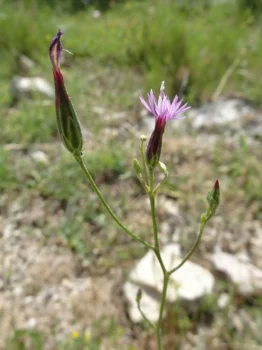
Common Crupina: Why This Mediterranean Wildflower Should Stay Out of Your Garden
If you’ve stumbled across the name common crupina while researching wildflowers or Mediterranean plants, hold your horses before adding it to your garden wishlist! While Crupina vulgaris might sound like an interesting addition to your landscape, this little annual has earned itself a reputation that’s anything but garden-friendly.
What Exactly Is Common Crupina?
Common crupina is an annual forb – basically a non-woody herbaceous plant that completes its entire life cycle in one growing season. Originally from the Mediterranean region of southern Europe and western Asia, this plant has made itself quite at home in several U.S. states, and not in a good way.
As a member of the sunflower family, common crupina produces small, purple to pinkish thistle-like flowers that might seem charming at first glance. But don’t let its modest appearance fool you – this plant packs a problematic punch.
Where You’ll Find Common Crupina
Currently, common crupina has established populations in California, Idaho, Massachusetts, Oregon, and Washington. It tends to thrive in dry, disturbed areas and can adapt to various soil conditions, making it particularly good at colonizing new territories.
- Species observed
- No observations
The Big Red Flag: Noxious Weed Status
Here’s where things get serious – common crupina is classified as a noxious weed in the United States. This isn’t just a casual oh, it spreads a bit situation. Noxious weeds are plants that have been legally designated as harmful to agriculture, ecosystems, or public health.
When a plant earns noxious status, it means:
- It can outcompete native species
- It may reduce biodiversity
- It can cause economic damage to agriculture
- It’s considered a threat to natural ecosystems
Why You Shouldn’t Plant Common Crupina
Even if you could find common crupina for sale (which you shouldn’t, given its noxious status), here are compelling reasons to skip it entirely:
Environmental Impact: As a non-native species, common crupina doesn’t provide the same ecological benefits as native plants. It can displace native wildflowers and grasses that local wildlife depends on for food and habitat.
Legal Issues: In many areas, planting or spreading noxious weeds can result in fines or legal action. Some states require property owners to control or remove noxious species.
Limited Garden Value: Frankly, common crupina isn’t particularly showy or long-blooming. There are countless native alternatives that offer better aesthetics, wildlife value, and peace of mind.
Better Alternatives for Your Garden
Instead of common crupina, consider these native alternatives that offer similar or better benefits:
- Native asters – Provide late-season color and excellent pollinator support
- Wild bergamot – Offers purple blooms and attracts native bees and butterflies
- Purple coneflower – Stunning flowers plus seeds for birds
- Blazing star – Dramatic purple spikes that pollinators adore
If You Spot Common Crupina
If you discover common crupina on your property or in your area, the best approach is removal and reporting. Contact your local extension office or noxious weed control board for guidance on proper removal and disposal methods.
Early detection and rapid response are key to preventing this species from establishing larger populations in new areas.
The Bottom Line
While common crupina might seem like just another wildflower, its noxious weed status tells a different story. Skip this Mediterranean import and focus on native species that will support local ecosystems while giving you a more rewarding gardening experience. Your local wildlife – and your neighbors – will thank you for making the responsible choice.
Remember, the best gardens work with nature, not against it. Choose plants that belong in your region, and you’ll create a landscape that’s both beautiful and ecologically sound.