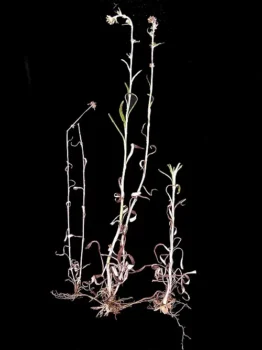
Common Cudweed: A Quiet Ground Cover with Mixed Reviews
If you’ve stumbled across Common Cudweed (Euchiton involucratus) in your gardening research, you might be wondering whether this unassuming little plant deserves a spot in your landscape. This small forb has quietly made itself at home in parts of North America, though it’s not exactly what you’d call a showstopper. Let’s dig into what makes this plant tick and whether it might work for your garden.
What Is Common Cudweed?
Common Cudweed is a modest forb—that’s garden-speak for a non-woody plant that stays relatively low to the ground. Originally hailing from Australia and New Zealand, this biennial to perennial plant has established itself in select areas of the United States, particularly California and Massachusetts. It’s one of those plants that tends to fly under the radar, doing its own thing without much fanfare.
Where You’ll Find It Growing Wild
Currently, Euchiton involucratus has been documented growing in California and Massachusetts, though it may be present in other areas as well. As a non-native species that reproduces on its own in the wild, it has managed to carve out niches in these regions without human assistance.
- Species observed
- No observations
The Look and Feel
Don’t expect Common Cudweed to steal the show in your garden. This plant produces small, inconspicuous clusters of white to cream-colored flowers that won’t win any beauty contests. Its appeal lies more in its function as a ground cover rather than its ornamental value. The plant maintains a low, spreading habit that can help fill in gaps in naturalized areas.
Growing Conditions and Care
One of the more interesting aspects of Common Cudweed is its relationship with moisture. It’s classified as a facultative wetland plant in both the Northcentral & Northeast and Western Mountains, Valleys, and Coast regions. This means:
- It usually prefers wetland conditions but can tolerate drier sites
- It’s adaptable to various moisture levels
- It thrives in moist to wet soils
- It can handle both partial shade and full sun
Once established, this plant tends to be fairly low-maintenance, which might appeal to gardeners looking for easy-care options.
Garden Role and Landscape Use
Common Cudweed works best in naturalized settings rather than formal garden beds. Consider it for:
- Wild or meadow gardens
- Areas where you want low-maintenance ground cover
- Transitional zones between cultivated and wild spaces
- Moisture-retentive areas that need plant coverage
Wildlife and Pollinator Value
While specific information about Common Cudweed’s wildlife benefits is limited, small flowers like these typically provide nectar sources for tiny insects and beneficial bugs. However, don’t expect it to be a major pollinator magnet compared to more showy native alternatives.
The Native Plant Perspective
Here’s where things get interesting from a native gardening standpoint. Since Common Cudweed is non-native to North America, you might want to consider whether there are indigenous alternatives that could provide similar benefits while supporting local ecosystems more effectively.
Some native ground cover alternatives to consider include:
- Wild strawberry (Fragaria species)
- Native sedges (Carex species)
- Regional native mint family plants
- Local wildflowers suited to moist conditions
Should You Plant It?
The answer depends on your gardening goals. Common Cudweed isn’t invasive or noxious (based on current information), so it’s not a plant that will cause ecological havoc. However, it’s also not going to provide the same level of ecosystem support as native species would.
Consider Common Cudweed if you:
- Need low-maintenance ground cover for naturalized areas
- Have consistently moist conditions to work with
- Aren’t focused primarily on native plant gardening
- Want something that will persist without much care
Skip it if you:
- Prioritize native plants in your landscape
- Want showy, ornamental appeal
- Are looking for major pollinator plants
- Prefer plants with well-documented garden performance
The Bottom Line
Common Cudweed is one of those meh plants—not terrible, not amazing, just quietly doing its thing. While it won’t harm your garden or the environment, it also won’t be the star of the show. If you’re drawn to native plant gardening, you’ll likely find more rewarding options among indigenous ground covers. But if you stumble across it and need something simple for a naturalized spot, it might just fit the bill.