Common Filbert: A European Charmer That’s Made Itself at Home
If you’ve ever wondered about that shrub producing those delightful early spring catkins and tasty nuts, you might be looking at a common filbert (Corylus avellana). This European native has quietly established itself across parts of North America, bringing both beauty and bounty to gardens and wild spaces alike.
What Exactly Is Common Filbert?
Common filbert, scientifically known as Corylus avellana, is a perennial shrub that typically grows as a multi-stemmed woody plant reaching 13-16 feet in height, though it can sometimes grow taller or develop a single stem depending on growing conditions. This deciduous beauty is part of the birch family and has been cultivating admirers (both human and wildlife) for centuries.
A Traveler That’s Settled In
Originally from Europe, western Asia, and northwestern Africa, common filbert has made itself comfortable in several North American regions. You’ll find established populations in British Columbia, New York, Oregon, Washington, and Newfoundland, where it reproduces spontaneously and persists in the wild without human intervention.
- Species observed
- No observations
While it’s not native to North America, common filbert isn’t currently listed as invasive or noxious, which puts it in that interesting category of naturalized plants that have found their niche without causing major ecological disruption.
Why Gardeners Fall for This Shrub
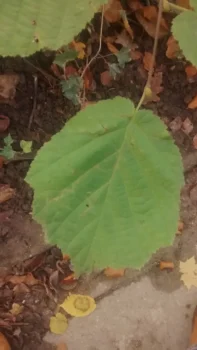
There’s plenty to love about common filbert, starting with its early spring show. Those dangling yellow catkins appear before the leaves, providing a cheerful signal that winter’s grip is loosening. The heart-shaped, serrated leaves create lovely texture throughout the growing season before turning golden yellow in fall.
But perhaps the biggest draw is the edible nuts it produces. These small, sweet hazelnuts develop in papery husks and are a delightful bonus crop for patient gardeners. The shrub typically begins producing nuts after 3-5 years, making it a rewarding long-term investment.
Garden Roles and Landscape Potential
Common filbert adapts well to various garden settings:
- Woodland gardens where it mimics its natural forest edge habitat
- Edible landscapes as both ornamental and productive element
- Mixed shrub borders for seasonal interest
- Naturalized areas where it can spread and form thickets
- Screening plantings, though it may sucker from the base
Growing Conditions and Care
One of common filbert’s appealing traits is its adaptability. It’s hardy in USDA zones 4-8 and has a facultative upland wetland status, meaning it usually prefers non-wetland conditions but can tolerate some moisture.
For best results, provide:
- Well-drained, fertile soil (though it tolerates various soil types)
- Partial shade to full sun exposure
- Moderate, consistent moisture
- Space for its natural spreading habit
Planting and Care Tips
Getting common filbert established is relatively straightforward:
- Plant in fall or spring when temperatures are moderate
- Dig a hole twice as wide as the root ball
- Apply mulch around the base to retain moisture and suppress weeds
- Water regularly during the first growing season
- Minimal pruning needed – mainly remove dead or crossing branches
- Be prepared for suckers that may emerge from the base
Wildlife and Pollinator Benefits
Common filbert earns its keep in wildlife-friendly gardens. Those early catkins are particularly valuable for pollinators, providing pollen when few other sources are available in late winter and early spring. The nuts feed various wildlife species, from squirrels to birds, making it a year-round contributor to garden ecosystems.
Should You Plant Common Filbert?
If you’re drawn to early spring interest, edible landscaping, and low-maintenance shrubs, common filbert could be a good fit. It’s particularly appealing for gardeners who appreciate plants with both ornamental and practical value.
However, if supporting native ecosystems is your priority, consider exploring native alternatives that provide similar benefits. Native hazelnuts like American hazelnut (Corylus americana) or beaked hazelnut (Corylus cornuta) offer comparable beauty and wildlife value while supporting local ecosystems more directly.
Ultimately, common filbert represents an interesting case study in naturalized plants – not native, but not problematic either. Whether it belongs in your garden depends on your specific goals and gardening philosophy. If you do choose to grow it, you’ll be rewarded with years of spring catkins, autumn color, and the occasional handful of homegrown hazelnuts.