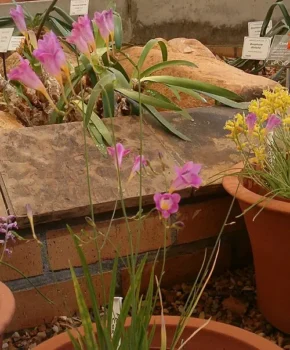
Common Freesia: A Fragrant Bulb with a Complicated Story
If you’ve stumbled across the name common freesia (Freesia corymbosa) in your gardening adventures, you’re looking at a plant with an interesting tale. This South African native has quietly made itself at home in parts of California and Florida, bringing its signature fragrance along for the ride.
What Exactly Is Common Freesia?
Common freesia is a perennial bulbous plant that falls into the category of forbs – essentially, it’s a flowering plant without woody stems that comes back year after year. You might also see it listed under its synonym, Freesia refracta, which can make plant identification a bit of a puzzle for gardeners.
This particular freesia sports the typical grass-like foliage and delicate, fragrant flowers that the genus is known for. The blooms are usually small and appear in clusters, offering a sweet scent that’s particularly noticeable in the evening hours.
Where Does It Grow?
Currently, common freesia has established populations in California and Florida – two states with climates that remind it of its South African homeland. It’s managed to naturalize in these areas, meaning it reproduces and spreads without human intervention.
- Species observed
- No observations
The Non-Native Reality
Here’s where things get interesting from a native gardening perspective. Common freesia is what we call a non-native introduced species. It originally hails from South Africa and has been introduced to North American gardens, where it’s proven quite capable of surviving and spreading on its own.
While it’s not currently listed as invasive or noxious, its ability to naturalize means gardeners should approach it thoughtfully. It’s neither villain nor hero – just a plant trying to make a living in a new place.
Growing Common Freesia: The Practical Stuff
If you’re in zones 9-11 (which aligns with its current range in California and Florida), common freesia can be a relatively low-maintenance addition to your garden. Here’s what you need to know:
- Soil: Well-draining soil is absolutely crucial – these bulbs hate wet feet
- Light: Full sun to partial shade works best
- Planting: Plant bulbs in fall for spring blooms
- Care: Once established, they’re fairly drought-tolerant
Garden Design Ideas
Common freesia works well in Mediterranean-style gardens or naturalized areas where its informal growth habit can shine. The fragrance makes it a nice addition to areas where you spend time in the evening – near patios or along walkways.
Because it’s a smaller plant, it works best when planted in drifts rather than as single specimens. Think of it as a supporting player rather than the star of your garden show.
The Native Alternative Conversation
While common freesia isn’t causing ecological havoc, native plant enthusiasts might want to consider regional alternatives that provide similar benefits. Depending on your location, native bulbs and fragrant perennials can offer the same aesthetic appeal while supporting local ecosystems.
Some options to explore include native alliums, wild hyacinths, or regional wildflowers that provide fragrance and seasonal interest without the non-native status.
The Bottom Line
Common freesia sits in that gray area that many gardeners find themselves navigating – it’s not native, but it’s not aggressively invasive either. If you choose to grow it, do so responsibly by keeping it contained and being mindful of its naturalizing tendencies.
Whether you decide to embrace this South African transplant or seek out native alternatives, the key is making informed choices that align with your gardening values and local ecosystem needs.