Common Gorse: A Bright but Potentially Problematic Garden Choice
If you’ve ever been enchanted by clouds of golden-yellow flowers perfuming the air with a sweet coconut scent, you’ve likely encountered common gorse (Ulex europaeus). This spiny European shrub has found its way into gardens and wild spaces across North America, but before you consider adding it to your landscape, there are some important things you should know.
What is Common Gorse?
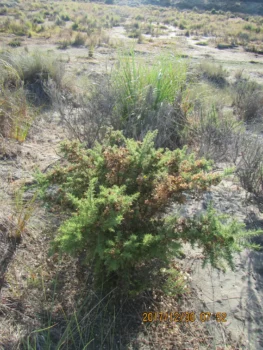
Common gorse is a perennial shrub that typically grows 4-5 meters (13-16 feet) tall, though it can reach greater heights under ideal conditions. This multi-stemmed woody plant is covered in sharp spines and produces masses of bright yellow, pea-like flowers that bloom primarily in spring. The flowers emit a distinctive coconut-vanilla fragrance that’s quite pleasant – until you get too close to those formidable thorns!
Where Does It Grow?
Originally from western and central Europe, common gorse has established itself across several North American regions. You can find it growing in British Columbia, California, Hawaii, Massachusetts, New York, Oregon, Pennsylvania, Virginia, Washington, and West Virginia. The plant has proven remarkably adaptable, reproducing spontaneously in the wild without human assistance.
- Species observed
- No observations
The Appeal and the Problem
It’s easy to see why gardeners might be tempted by common gorse. The spectacular spring flower display is truly breathtaking, and the plant thrives in poor soils where other plants struggle. It’s drought-tolerant, handles coastal conditions with ease, and requires virtually no maintenance once established. The early blooms also provide valuable nectar for bees when few other flowers are available.
However, these same qualities that make it attractive to gardeners also make it a successful invader. In many regions, particularly in the western United States, common gorse has become a significant invasive species, crowding out native plants and creating dense, impenetrable thickets.
Growing Conditions
Common gorse is remarkably undemanding, which contributes to both its garden appeal and invasive potential:
- Hardiness: Thrives in USDA zones 6-9
- Soil: Prefers poor, acidic soils; actually performs poorly in rich, fertile conditions
- Sun: Requires full sun for best flowering
- Water: Extremely drought-tolerant once established
- Wetlands: Generally found in upland areas, rarely in wetlands
Should You Plant Common Gorse?
While common gorse isn’t officially listed as invasive everywhere it grows, its tendency to spread aggressively and form dense thickets makes it a risky choice for most gardens. In areas where it’s already established as an invasive species, planting it would be irresponsible to local ecosystems.
If you’re drawn to the bright spring blooms and drought tolerance of common gorse, consider these native alternatives instead:
- Native brooms and lupines for similar yellow flowers
- Regional native shrubs that provide early nectar for pollinators
- Local plants adapted to poor soils and dry conditions
The Bottom Line
While common gorse offers undeniable beauty with its golden spring display and sweet fragrance, its invasive potential makes it a plant best admired from afar rather than invited into your garden. By choosing native alternatives, you can achieve similar aesthetic effects while supporting local ecosystems and avoiding potential ecological problems down the road.
Remember, the most sustainable gardens work with nature rather than against it – and that means choosing plants that belong in your local landscape rather than those that might eventually overwhelm it.