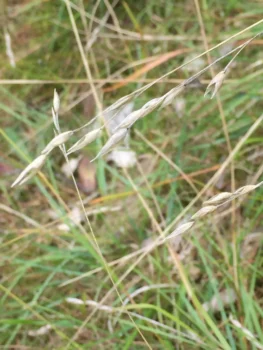
Common Heathgrass: A European Grass Finding Its Way into North American Gardens
If you’re looking for a low-growing, undemanding grass that can handle tough conditions, you might have stumbled across common heathgrass (Danthonia decumbens). This modest little perennial grass has quietly established itself across parts of North America, bringing with it some interesting characteristics that both intrigue and puzzle gardeners.
What Exactly Is Common Heathgrass?
Common heathgrass is a perennial grass that forms neat, low tufts rarely exceeding 12 inches in height. Originally from European heathlands, this grass has made itself at home in several North American regions. You might also see it listed under its old scientific names, Festuca decumbens or Sieglingia decumbens, if you’re digging through older gardening references.
Don’t expect this grass to make a bold statement in your garden – it’s more of a quiet background player. The narrow leaves create dense, low mounds, and in summer, delicate purplish flower panicles appear, giving the plant a subtle, naturalistic charm.
Where You’ll Find Common Heathgrass
This European native has established populations across parts of western and eastern North America, including British Columbia, California, Nova Scotia, Oregon, Washington, and Newfoundland. It’s considered non-native but naturalized in these areas, meaning it reproduces and persists on its own without human intervention.
- Species observed
- No observations
Should You Plant Common Heathgrass?
Here’s where things get interesting. Common heathgrass isn’t invasive or problematic, but it’s also not native to North America. If you’re drawn to its low-maintenance nature and ability to handle poor soils, it could work in certain situations:
- Naturalistic gardens: It fits well in wildflower meadows or prairie-style plantings
- Problem areas: Excellent for acidic, nutrient-poor soils where other plants struggle
- Low-maintenance landscapes: Once established, it pretty much takes care of itself
- Rock gardens: The small stature and tufted growth work well among stones
Consider Native Alternatives First
Before choosing common heathgrass, consider exploring native grass options that provide similar benefits while supporting local ecosystems. Native bunch grasses often offer comparable low-maintenance characteristics and better wildlife value for your region.
Growing Common Heathgrass Successfully
If you decide common heathgrass fits your garden vision, you’ll find it refreshingly easy to grow. This grass thrives in USDA hardiness zones 4-8 and has some pretty specific preferences:
Ideal Growing Conditions
- Soil: Acidic, well-draining, nutrient-poor soils (it actually prefers poor soil!)
- Light: Full sun to partial shade
- Water: Drought tolerant once established
- pH: Acidic conditions preferred
Planting and Care Tips
Common heathgrass is wonderfully low-maintenance. Plant it in spring or fall, giving each clump space to spread slowly. Water regularly during the first growing season to help establish roots, then step back and let it do its thing.
The grass spreads gradually through short rhizomes, so don’t expect rapid coverage. This slow growth is actually a plus – no worries about it taking over your garden beds. You can divide clumps every few years if you want to propagate more plants or refresh older stands.
Wildlife and Ecological Value
While common heathgrass provides some habitat for small insects and can contribute to ground cover in naturalistic settings, it doesn’t offer the same ecological benefits as native grass species. Its wetland status is facultative, meaning it can grow in both wet and dry conditions, making it adaptable but not particularly specialized for supporting specific wildlife.
The Bottom Line
Common heathgrass occupies an interesting middle ground in the gardening world. It’s not problematic enough to avoid, but not beneficial enough to actively seek out. If you already have it growing naturally on your property, there’s no need to remove it. If you’re planning new plantings, though, exploring native grass alternatives might give you better long-term satisfaction and ecological benefits.
Sometimes the most unremarkable plants teach us the most about working with our local conditions and choosing plants that truly belong in our landscapes.