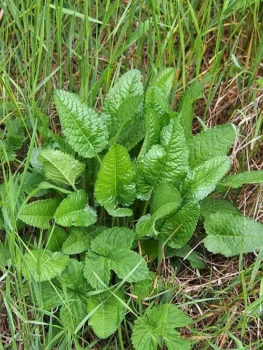
Common Hedgenettle: A Charming European Perennial for Your Garden
Looking for a low-maintenance perennial that brings both beauty and pollinator appeal to your garden? Common hedgenettle (Stachys officinalis) might just be the plant you’ve been searching for. This charming European native has quietly made itself at home in select parts of North America, offering gardeners an easy-to-grow option with lovely purple-pink blooms.
What Is Common Hedgenettle?
Common hedgenettle is a herbaceous perennial forb that belongs to the mint family. Also known by its synonym Betonica officinalis, this plant has been cultivated for centuries, originally prized for its medicinal properties. Today, it’s appreciated more for its ornamental value and ability to attract beneficial insects.
As a non-woody perennial, common hedgenettle dies back to the ground each winter and emerges fresh each spring, making it a reliable addition to gardens in USDA hardiness zones 4-8.
Where Does It Grow?
While native to Europe and Mediterranean regions, common hedgenettle has established itself in limited areas of North America, including Prince Edward Island, Massachusetts, and New York. It’s considered a non-native species that can reproduce and persist in the wild without human intervention.
- Species observed
- No observations
Why Consider Common Hedgenettle?
This unassuming perennial offers several appealing qualities:
- Attractive purple-pink flower spikes that bloom from mid to late summer
- Dense, terminal flower clusters that create visual impact
- Strong pollinator appeal – bees and butterflies love the nectar-rich blooms
- Low maintenance requirements once established
- Drought tolerance after the first growing season
- Ability to naturalize and fill in garden spaces
Garden Design and Landscape Use
Common hedgenettle works beautifully in several garden settings:
- Cottage gardens: Its old-world charm fits perfectly with traditional cottage garden aesthetics
- Herb gardens: Honor its historical medicinal use while enjoying its ornamental value
- Naturalized areas: Let it spread and create informal drifts
- Meadow gardens: Pairs well with other wildflower-style plantings
- Ground cover: Can fill spaces and suppress weeds in appropriate settings
Growing Conditions and Care
One of common hedgenettle’s best features is how easy it is to please:
- Light: Thrives in full sun to partial shade
- Soil: Prefers well-drained soils but adapts to various conditions
- Water: Drought tolerant once established, though regular water during dry spells keeps it looking its best
- Maintenance: Deadhead spent flowers to encourage continued blooming
- Spread: Can spread via rhizomes, so consider this when planning placement
Planting Tips
Getting common hedgenettle established in your garden is straightforward:
- Plant in spring after the last frost date
- Space plants 12-18 inches apart to allow for natural spreading
- Water regularly during the first growing season to help establish roots
- Mulch around plants to retain moisture and suppress weeds
- Divide clumps every 3-4 years to maintain vigor
A Word About Native Alternatives
While common hedgenettle is a lovely garden plant, you might also consider native alternatives that provide similar benefits while supporting local ecosystems. Native plants like wild bergamot (Monarda species), native mints (Mentha species), or regional Stachys species can offer comparable beauty and pollinator support.
The Bottom Line
Common hedgenettle offers gardeners an easy-going perennial with old-world charm and modern pollinator appeal. While it’s not native to North America, it’s not considered invasive in the areas where it’s established. If you’re drawn to its purple-pink blooms and cottage garden aesthetic, it can be a delightful addition to your landscape. Just remember to consider native alternatives that might provide similar benefits while supporting your local ecosystem.
Whether you choose common hedgenettle or explore native options, the key is creating a garden that brings you joy while supporting the beneficial insects and wildlife that make our outdoor spaces come alive.