Common Hop: The Climbing Vine That’s More Than Just Beer
If you’ve ever enjoyed a craft beer, you’ve likely experienced the distinctive flavor that common hop (Humulus lupulus) brings to the brewing process. But this vigorous climbing vine offers much more than just beverage ingredients – it’s a fantastic addition to gardens where you need quick-growing, attractive vertical coverage.
What Makes Common Hop Special
Common hop is a perennial forb that lacks significant woody tissue, making it technically an herbaceous plant despite its impressive climbing abilities. This fast-growing vine can reach impressive heights when given proper support, transforming bare fences, trellises, and arbors into lush green screens in a single growing season.
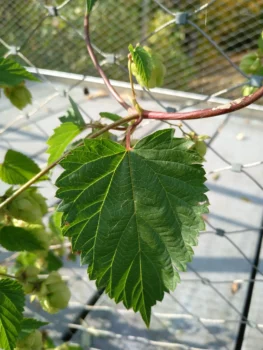
The plant produces distinctive heart-shaped, serrated leaves that create dense coverage, while its most famous feature – the papery, cone-like flowers called hops – appear in late summer. These greenish-yellow clusters not only add visual interest but also emit a pleasant, resinous fragrance.
Where Common Hop Grows Naturally
This adaptable plant has an extensive geographical distribution across North America, thriving in states from coast to coast and throughout much of Canada. You’ll find it growing naturally from Alberta to Newfoundland in Canada, and from Washington to Maine and down to Georgia and Texas in the United States.
- Species observed
- No observations
Growing Conditions and Care
Common hop is remarkably adaptable when it comes to growing conditions. Here’s what you need to know:
- Sunlight: Performs best in full sun but tolerates partial shade
- Soil: Prefers well-drained, fertile soil but adapts to various soil types
- Water: Needs regular moisture, especially during establishment
- Hardiness: Thrives in USDA zones 3-8
- Support: Requires sturdy structures for climbing – think strong trellises, fences, or pergolas
The plant’s facultative upland wetland status across all regions means it typically prefers drier sites but can tolerate occasional wet conditions – making it quite forgiving for the average gardener.
Garden Design and Landscape Uses
Common hop shines in several garden scenarios:
- Privacy screens: Quick coverage for unsightly views or property boundaries
- Cottage gardens: Adds rustic charm and vertical interest
- Herb gardens: Functional and ornamental addition
- Brewery gardens: Perfect for homebrew enthusiasts
- Permaculture designs: Multi-functional plant with edible and medicinal uses
Pollinator and Wildlife Benefits
While not the showiest flowering plant, common hop provides valuable resources for pollinators. Bees and other beneficial insects appreciate the nectar and pollen, making it a useful addition to pollinator-friendly gardens. The dense foliage also provides shelter and nesting sites for various wildlife species.
Planting and Maintenance Tips
Getting started with common hop is straightforward:
- Plant in spring after the last frost date
- Install support structures before planting – this vine means business!
- Water regularly during the first growing season
- Apply mulch around the base to retain moisture and suppress weeds
- Prune annually in late fall or early spring, cutting back to 2-3 feet from the ground
- Be prepared for vigorous growth – this plant can reach 15-20 feet in a season
Should You Grow Common Hop?
Common hop is an excellent choice if you need fast-growing vertical coverage and don’t mind a plant with serious ambition. It’s particularly appealing for:
- Gardeners who want quick results
- Homebrew enthusiasts
- Those needing privacy screens
- Cottage garden lovers
- Anyone with sturdy support structures to cover
However, consider carefully if you have limited space or prefer low-maintenance plants. This vine requires annual pruning and sturdy support, and its vigorous nature means it can overwhelm smaller garden features if not properly managed.
Whether you’re drawn to its brewing potential, rapid coverage abilities, or simply love the idea of harvesting your own hops, common hop can be a rewarding addition to the right garden setting. Just make sure you’re ready for a plant that takes climbing very seriously!