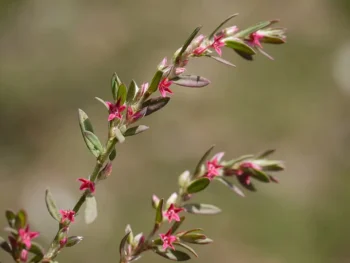
Common Knotweed: A Lesser-Known Forb for Your Garden
If you’ve stumbled across the name common knotweed (Polygonum plebeium) in your plant research, you might be wondering whether this little-known forb deserves a spot in your garden. While it’s not the showiest plant you’ll encounter, this humble member of the knotweed family has some interesting characteristics that make it worth understanding.
What Exactly Is Common Knotweed?
Common knotweed is a forb – essentially a non-woody plant that dies back to the ground each year or persists as a perennial without developing significant woody tissue. Think of it as the plant world’s equivalent of that reliable friend who’s always there but never demands the spotlight. It can behave as either an annual or perennial, adapting to local conditions with the flexibility that many gardeners appreciate.
Where You’ll Find It Growing Wild
This species has been documented growing in New Jersey, where it has established itself as a naturalized resident. As a non-native plant that reproduces spontaneously without human intervention, it has found a niche in the American landscape, particularly in areas that meet its moisture preferences.
- Species observed
- No observations
The Wetland Connection
One of the most interesting aspects of common knotweed is its relationship with water. In the Atlantic and Gulf Coastal Plain region, it’s classified as a facultative wetland plant. This means you’ll usually find it in wetland environments, though it can tolerate drier conditions when needed. If you have a rain garden, pond edge, or naturally moist area in your landscape, this adaptability might catch your attention.
Should You Plant Common Knotweed?
Here’s where things get a bit tricky. While common knotweed isn’t flagged as invasive or noxious, its non-native status means it won’t provide the same ecological benefits as plants that evolved alongside local wildlife. Without clear information about its growth habits, mature size, or ornamental value, it’s difficult to make a strong case for intentionally adding it to your garden.
Better Native Alternatives to Consider
Instead of common knotweed, consider these native alternatives that offer similar adaptability to moist conditions:
- Wild ginger (Asarum canadense) – A low-growing native that thrives in moist, shaded areas
- Blue flag iris (Iris versicolor) – Perfect for wetland gardens with stunning spring blooms
- Swamp milkweed (Asclepias incarnata) – A pollinator magnet that loves wet feet
- Cardinal flower (Lobelia cardinalis) – Brilliant red blooms that hummingbirds adore
Growing Conditions and Care
If you do encounter common knotweed or decide to work with it, remember its preference for moist conditions. Based on its facultative wetland status, it likely prefers:
- Consistently moist to wet soil
- Areas with seasonal flooding or high groundwater
- Locations that might be too wet for many other garden plants
The Bottom Line
Common knotweed falls into that gray area of garden plants – it’s not necessarily harmful, but it’s also not particularly beneficial for local ecosystems. While there’s limited information available about its ornamental qualities or specific growing requirements, its wetland preferences suggest it might have a role in very specific landscape situations.
For most gardeners, focusing on well-documented native plants that support local wildlife and pollinators will provide more reliable results and greater ecological benefits. However, if you’re working with challenging wet areas where few other plants thrive, understanding moisture-loving species like common knotweed can be part of developing effective solutions for difficult garden spots.