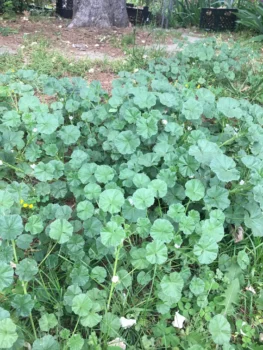
Common Mallow: The Humble Ground-Hugger That’s More Useful Than You Think
Meet common mallow (Malva neglecta), a plant that lives up to its scientific name by being widely neglected in garden conversations. This unassuming little ground-hugger might not win any beauty contests, but it’s got some surprising tricks up its leaves that might make you think twice about yanking it from your garden.
What Exactly Is Common Mallow?
Common mallow is a low-growing forb—basically a non-woody herbaceous plant—that can live as an annual, biennial, or perennial depending on conditions. Originally from Europe, Asia, and North Africa, this adaptable little plant has made itself at home across North America, from Alaska to Hawaii and everywhere in between.
You’ll find common mallow growing wild in nearly every U.S. state and Canadian province, where it reproduces on its own and has become a naturalized part of the landscape. It’s also known by the synonym Malva rotundifolia in some older references, though that name technically belongs to a different (but closely related) species.
- Species observed
- No observations
What Does It Look Like?
Common mallow is a modest plant with heart-shaped, rounded leaves that form a low-growing, spreading mat. The small flowers are easy to miss—they’re typically white to very pale pink and quite tiny. Don’t expect showy blooms; this plant is all about function over form. It stays close to the ground, rarely getting more than a few inches tall but can spread outward to form patches.
The Good, The Bad, and The Edible
Why You Might Want It:
- Edible leaves and flowers: The entire plant is edible and has been used in traditional cooking for centuries
- Pollinator support: Small bees and other beneficial insects appreciate the modest flowers
- Tough as nails: Thrives in poor soils where other plants struggle
- Drought tolerance: Once established, it can handle dry conditions well
- Ground cover: Fills in bare spots and suppresses weeds
Why You Might Think Twice:
- Aggressive spreader: Can take over areas quickly through self-seeding
- Not native: Won’t support native wildlife as well as indigenous plants
- Humble appearance: Won’t add much visual drama to ornamental gardens
- Hard to control: Once established, it can be persistent
Growing Common Mallow Successfully
If you decide to grow common mallow, you’ll find it remarkably easy-going. It’s hardy in USDA zones 3-10, which covers most of North America. This plant actually prefers poor to average soils and can handle both full sun and partial shade conditions.
Planting and Care Tips:
- Soil: Not picky—tolerates poor, compacted, or alkaline soils
- Water: Drought-tolerant once established; avoid overwatering
- Maintenance: Virtually maintenance-free, perhaps too much so
- Propagation: Self-sows readily from seed; you probably won’t need to plant it twice
- Control: Remove flowers before seed set if you want to limit spreading
Garden Roles and Landscape Uses
Common mallow works best in informal garden settings where its spreading nature won’t cause problems. Consider it for cottage gardens, edible landscapes, or naturalized areas where you want low-maintenance ground cover. It’s particularly useful in challenging spots with poor soil where other plants struggle.
Just remember that this plant can be quite the self-promoter—it will likely show up in places you didn’t plant it once it gets established in your garden.
Native Alternatives to Consider
While common mallow isn’t harmful, native plants will always do more for local ecosystems. Consider these alternatives that offer similar low-growing, drought-tolerant characteristics:
- Wild strawberry (Fragaria species) for edible ground cover
- Native violets (Viola species) for heart-shaped leaves and flowers
- Creeping phlox (Phlox subulata) for low-growing coverage
- Local sedges (Carex species) for tough, adaptable ground cover
The Bottom Line
Common mallow is one of those plants that’s neither hero nor villain—it’s just there, doing its thing with quiet persistence. If you appreciate edible plants, need something for challenging growing conditions, or want to support some pollinators without much effort, it might deserve a spot in your garden. Just be prepared for it to make itself very much at home, and consider whether a native alternative might serve your garden—and local wildlife—even better.