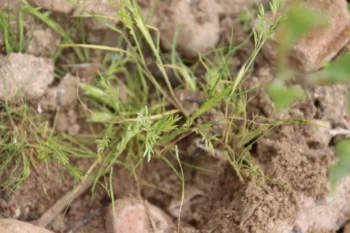
Common Mediterranean Grass: What Every Gardener Should Know
If you’ve ever wondered about that small, unassuming grass popping up in disturbed areas across the Southwest, you might be looking at common Mediterranean grass (Schismus barbatus). This little annual has quite the story to tell, and as gardeners, it’s worth understanding what we’re dealing with when we encounter this non-native species.
The Basics: What Is Common Mediterranean Grass?
Common Mediterranean grass, scientifically known as Schismus barbatus, is exactly what its name suggests – a grass originally from the Mediterranean region, North Africa, and parts of Asia. You might also see it referred to by its former scientific names, including Festuca barbata or Schismus calycinus, but don’t let the name changes fool you – it’s the same plant.
This annual grass belongs to the graminoid family, which includes all your typical grasses, sedges, and rushes. It’s a small, rather inconspicuous plant that most people wouldn’t give a second glance, but its presence tells an interesting ecological story.
Where You’ll Find It
In the United States, common Mediterranean grass has established itself across several southwestern states, including Arizona, California, Nevada, New Mexico, Texas, and Utah. It’s what botanists call a naturalized species – meaning it arrived from somewhere else but now reproduces on its own in the wild without any human help.
- Species observed
- No observations
Should You Plant It in Your Garden?
Here’s where things get interesting. While common Mediterranean grass isn’t officially classified as invasive or noxious in our available data, it’s important to understand that this is a non-native species that has already spread widely across the Southwest. As a responsible gardener, you might want to think twice before intentionally adding it to your landscape.
The plant offers minimal aesthetic appeal – we’re talking about a small, thin-leaved annual grass with delicate seed heads that most people would consider unremarkable. It doesn’t provide significant benefits to pollinators (being wind-pollinated like most grasses), and its wildlife value appears to be limited.
Growing Conditions (If You Encounter It)
Understanding how common Mediterranean grass grows can help you identify and manage it in your landscape:
- Thrives in dry, sandy soils
- Prefers full sun exposure
- Extremely drought tolerant
- Grows in USDA hardiness zones 8-11
- Typically appears in disturbed areas
Better Native Alternatives
Instead of planting common Mediterranean grass, consider these native alternatives that will provide better ecological value and aesthetic appeal:
- Native bunch grasses specific to your region
- Indigenous sedges that support local wildlife
- Native wildflower and grass combinations
Your local native plant society or extension office can recommend specific species that will thrive in your area while supporting local ecosystems.
The Bottom Line
Common Mediterranean grass represents one of those naturalized species that has become part of the landscape in many southwestern areas. While it’s not causing alarm bells to ring, it’s also not adding much value to our gardens or ecosystems. As gardeners who care about supporting native biodiversity, we’re better off choosing plants that truly belong in our local environments.
If you spot common Mediterranean grass in your garden, you don’t need to panic – but you also don’t need to encourage it. Focus your energy on cultivating native species that will create a more vibrant, ecologically supportive landscape for generations to come.