Common Mouse-Ear Chickweed: The Humble Ground Cover That Divides Gardeners
If you’ve ever walked across a lawn and noticed tiny white flowers peeking up between grass blades, you’ve likely encountered common mouse-ear chickweed (Cerastium fontanum). This small but mighty plant has sparked countless debates among gardeners – some see it as a charming ground cover, while others view it as a persistent weed that just won’t quit.
What Is Common Mouse-Ear Chickweed?
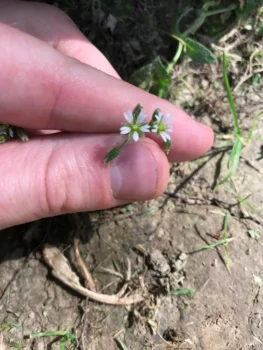
Common mouse-ear chickweed is a low-growing forb that can live as either a biennial or perennial, depending on growing conditions. As a forb, it’s a vascular plant without woody tissue above ground, meaning it stays soft and herbaceous throughout its life. The plant gets its quirky name from its small, oval leaves that are covered in fine hairs, giving them a fuzzy, mouse-ear-like texture.
The real showstopper is its delicate white flowers, each featuring five deeply notched petals that create a distinctive heart-shaped appearance. These blooms may be small, but they’re surprisingly charming when you take a closer look.
Where You’ll Find It Growing
Here’s where things get interesting – common mouse-ear chickweed isn’t actually native to North America. This European transplant has made itself completely at home across the continent, establishing populations that reproduce and persist without any human help. You can find it thriving from Alaska to Hawaii, and from coast to coast in the lower 48 states. It’s also spread throughout Canada, from British Columbia to Newfoundland.
- Species observed
- No observations
The plant’s wetland status varies by region, but it generally prefers non-wetland areas while occasionally popping up in wetter spots. This adaptability has certainly contributed to its widespread success.
Should You Plant Common Mouse-Ear Chickweed?
This is where gardeners tend to split into camps. Since this species isn’t native to North America, it won’t provide the same ecological benefits as indigenous plants. However, it’s not currently listed as invasive or noxious, which puts it in a neutral zone for many gardeners.
The Case for Growing It
- Extremely hardy and adaptable to various conditions
- Forms attractive, low-maintenance ground cover
- Produces delicate flowers that add subtle beauty to informal areas
- Thrives in zones 3-9, making it suitable for most North American gardens
- Requires virtually no care once established
The Case Against It
- Can be aggressive and spread beyond intended areas
- Often considered a lawn weed by those seeking pristine turf
- Won’t support native wildlife as effectively as indigenous plants
- May compete with native species in naturalized areas
Native Alternatives to Consider
If you’re leaning toward supporting local ecosystems, consider these native ground covers instead:
- Wild strawberry (Fragaria species) for edible berries and wildlife food
- Native violets for early spring color and butterfly host plants
- Creeping phlox for stunning spring blooms
- Local sedges for grass-like texture with ecological benefits
Growing Common Mouse-Ear Chickweed Successfully
If you decide to work with this plant (or if it’s already claimed territory in your garden), here’s what you need to know:
Ideal Growing Conditions
- Soil: Thrives in disturbed, poor soils but adapts to most conditions
- Light: Full sun to partial shade
- Water: Prefers moist but well-draining soil
- Climate: Hardy in USDA zones 3-9
Planting and Care Tips
Honestly, this plant is so self-sufficient that care might be an overstatement. It readily self-seeds and spreads on its own, often appearing where you least expect it. If you want to encourage it in specific areas, simply scatter seeds in early spring or fall – though chances are, it’ll find its way there eventually on its own.
The main care you’ll likely provide is managing its spread if it gets too enthusiastic about colonizing new territory.
Wildlife and Pollinator Value
While common mouse-ear chickweed does produce flowers that attract small insects and flies, it’s not a significant pollinator plant compared to native species. Its tiny blooms provide some nectar, but you’ll get much more wildlife bang for your buck with indigenous alternatives.
The Bottom Line
Common mouse-ear chickweed is one of those plants that simply exists in the gardening world – neither hero nor villain, just a persistent presence that’s made itself part of the North American landscape. Whether you embrace it, tolerate it, or actively manage it depends on your gardening philosophy and aesthetic preferences.
If you’re focused on supporting native ecosystems, consider this an opportunity to explore indigenous ground covers that offer similar benefits with greater ecological value. But if you’re looking for a no-fuss plant that’ll fill in gaps and provide subtle charm with zero maintenance, mouse-ear chickweed might just be your match.
Whatever you decide, remember that the best garden is one that brings you joy – whether that includes this humble little European emigrant or not.