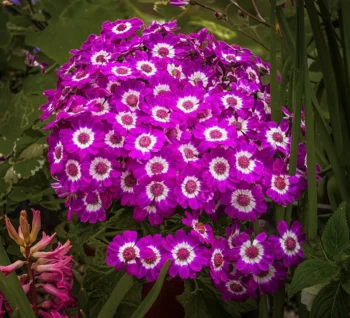
Common Ragwort (Pericallis hybrida): A Mysterious Non-Native with Limited Documentation
If you’ve stumbled across the name common ragwort or Pericallis hybrida in your plant research, you’re not alone in wondering what exactly this plant is all about. This non-native species presents something of a botanical puzzle, with limited reliable information available for home gardeners.
What is Common Ragwort?
Pericallis hybrida, commonly known as common ragwort, is classified as a forb – essentially a non-woody herbaceous plant. This means it lacks the substantial woody tissue you’d find in shrubs or trees, instead sporting softer stems and foliage. The plant can be either annual or perennial, though specific details about its lifecycle remain unclear in the available literature.
This species belongs to a genus that has seen quite a bit of taxonomic shuffling over the years. Historically, it’s been known by several scientific names, including Senecio cruentus and Senecio hybridus, which might explain some of the confusion surrounding its identity and characteristics.
Native Status and Distribution
Common ragwort is not native to North America. It’s been introduced and now reproduces spontaneously in the wild without human intervention, currently found growing in California. As a non-native species that’s established itself in natural areas, it represents the kind of plant introduction that can sometimes lead to ecological complications.
- Species observed
- No observations
The Challenge for Gardeners
Here’s where things get tricky for home gardeners: reliable information about Pericallis hybrida is surprisingly scarce. While the plant exists and has been documented, detailed growing guides, care instructions, and horticultural characteristics are not readily available from reputable sources.
This lack of documentation presents several concerns:
- Unknown growing requirements make successful cultivation difficult
- Unclear invasive potential in different regions
- Limited understanding of ecological impacts
- Absence of established cultivation practices
Should You Plant Common Ragwort?
Given the limited reliable information available about this species, we’d recommend proceeding with caution. Without clear growing guidelines or understanding of its potential environmental impact, common ragwort isn’t the best choice for most home gardens.
Better Native Alternatives
Instead of wrestling with the uncertainties surrounding common ragwort, consider these well-documented native alternatives that offer similar herbaceous garden appeal:
- Native asters (Symphyotrichum species) for late-season color
- Goldenrods (Solidago species) for bright yellow flowers
- Native sunflowers (Helianthus species) for bold blooms
- Black-eyed Susan (Rudbeckia species) for reliable performance
These native options come with the added benefits of established growing guides, known wildlife value, and guaranteed ecological compatibility with your local environment.
The Bottom Line
While Pericallis hybrida exists as a documented plant species, the lack of reliable horticultural information makes it a challenging choice for home gardeners. Rather than gambling on an unknown quantity, you’ll likely have much better success – and provide greater benefits to local wildlife – by choosing well-documented native plants suited to your specific growing conditions.
If you’re specifically interested in ragwort-type plants, consult with your local native plant society or extension office about indigenous species in your area that might scratch that same botanical itch while supporting your local ecosystem.