Common Sheep Sorrel: A Non-Native Plant You Should Think Twice About
If you’ve ever wandered through a meadow or along a roadside and noticed small, arrow-shaped leaves with reddish stems forming dense patches, you’ve likely encountered common sheep sorrel (Rumex acetosella). Also simply called sheep sorrel, this perennial forb might look harmless enough, but there’s more to this European immigrant than meets the eye.
What Exactly is Common Sheep Sorrel?
Common sheep sorrel is a non-native perennial that originally hails from Europe and Asia. It’s what botanists call a forb – essentially an herbaceous plant without woody stems that dies back to the ground each winter and returns the following spring. This hardy little plant has made itself quite at home across North America, establishing populations from Alaska to Hawaii and everywhere in between, including all the lower 48 states and most Canadian provinces.
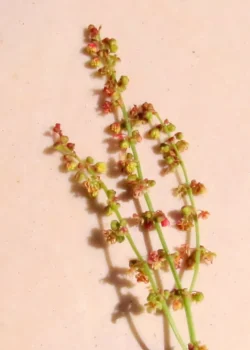
The plant produces small clusters of reddish-brown flowers that might not win any beauty contests, but they’re perfectly functional for the plant’s wind-pollinated reproductive strategy. In fall, the leaves often take on reddish hues that can be quite striking, though this aesthetic appeal comes with some serious caveats.
- Species observed
- No observations
The Invasive Reality
Here’s where things get complicated: common sheep sorrel is considered potentially invasive and is actually prohibited in Connecticut. This designation isn’t given lightly – it means the plant has demonstrated the ability to spread aggressively and potentially harm native ecosystems. Once established, sheep sorrel forms dense colonies that can crowd out native plants and alter soil conditions.
The plant thrives in acidic, nutrient-poor soils that many other plants struggle with, and it’s remarkably drought tolerant. While these might sound like desirable traits for a low-maintenance garden plant, they also mean that sheep sorrel can establish itself in areas where native plants are already stressed, giving it an unfair competitive advantage.
Growing Conditions and Hardiness
If sheep sorrel does appear in your landscape (and it very well might, whether you invite it or not), you’ll find it’s adapted to USDA hardiness zones 3-9. The plant prefers full sun to partial shade and actually performs better in poor, acidic soils than in rich, amended garden beds. It’s also surprisingly tolerant of compacted soil and drought conditions.
Regarding wetland preferences, sheep sorrel shows different tendencies across regions – it can be found in both wetland and upland sites in some areas, while in others it sticks primarily to drier locations. This adaptability is part of what makes it such a successful colonizer.
Wildlife Value: Limited but Present
While we can’t recommend planting sheep sorrel intentionally, it’s worth noting that it does provide some wildlife value where it exists. Small mammals occasionally nibble on it (though it comprises only 2-5% of their diet), and terrestrial birds make more substantial use of it, with sheep sorrel making up 10-25% of some bird diets. However, both groups use it only sparsely for cover.
Why You Shouldn’t Plant It
Given its invasive potential and prohibited status in some areas, we strongly recommend against intentionally planting common sheep sorrel. The plant can be extremely difficult to remove once established, as it spreads both by seed and underground rhizomes. What starts as a small patch can quickly become a major infestation that’s tough to control.
Native Alternatives to Consider
Instead of sheep sorrel, consider these native alternatives that can provide similar ecological functions without the invasive risks:
- Wild ginger (Asarum canadense): A native groundcover perfect for shady areas
- Winterberry (Ilex verticillata): Provides excellent wildlife value and winter interest
- New England aster (Symphyotrichum novae-angliae): Fantastic for pollinators and birds
- Little bluestem (Schizachyrium scoparium): A beautiful native grass for sunny spots
The Bottom Line
While common sheep sorrel might seem like a hardy, low-maintenance option for challenging sites, its invasive nature makes it a poor choice for responsible gardeners. The plant’s ability to thrive in difficult conditions is exactly what makes it problematic – it can establish where native plants struggle and then spread aggressively. If you’re dealing with acidic, poor soils, there are native alternatives that can handle these conditions while supporting local ecosystems rather than overwhelming them.
Remember, every plant we choose for our gardens is a vote for the kind of landscape we want to see in the future. Choose natives, and help preserve the ecological heritage of your region for generations to come.