Common Tansy: A Beautiful but Problematic Perennial
If you’ve ever spotted clusters of bright yellow, button-like flowers dancing in the summer breeze, you might have encountered common tansy (Tanacetum vulgare). This European immigrant has quite the reputation – beloved by some for its cheerful blooms and aromatic foliage, yet feared by others for its aggressive spreading habits. Let’s dive into what makes this perennial such a controversial character in the gardening world.
Getting to Know Common Tansy
Common tansy goes by several names, including golden-buttons, tansy, and hierba lombriguera. This perennial forb – essentially a non-woody flowering plant – has been making itself at home across North America for centuries. Originally from Europe and Asia, it’s now established itself from coast to coast, thriving in everything from Alaska’s chilly climate to Hawaii’s tropical warmth.
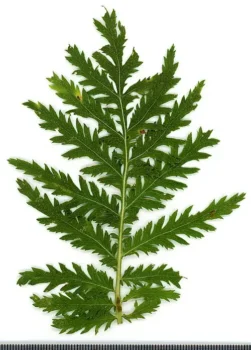
The plant produces distinctive flat-topped clusters of bright yellow flowers that look like tiny golden buttons, which bloom from summer into early fall. Its deeply divided, fern-like leaves release a strong, somewhat bitter aroma when crushed – a scent that’s either loved or loathed, with little middle ground.
Where You’ll Find Common Tansy
Common tansy has established populations across virtually all of North America, including all U.S. states, Canadian provinces, and territories. It’s particularly well-adapted to temperate climates and thrives in USDA hardiness zones 3-9.
- Species observed
- No observations
The Invasive Issue: Why Caution is Key
Here’s where things get tricky. While common tansy can be an attractive addition to gardens, it’s classified as invasive in some areas, including Wisconsin where it has Restricted status. This means it can spread aggressively, potentially crowding out native plants and disrupting local ecosystems.
The plant spreads both by seed and through underground rhizomes, allowing it to form dense colonies that can be difficult to control once established. Its ability to thrive in various conditions – from full sun to partial shade, in both moist and dry soils – makes it a formidable colonizer.
Should You Plant Common Tansy?
Given its invasive potential, we’d recommend thinking twice before introducing common tansy to your garden. If you’re drawn to its bright yellow blooms and cottage garden charm, consider these native alternatives instead:
- Wild bergamot (Monarda fistulosa) for aromatic foliage and pollinator appeal
- Black-eyed Susan (Rudbeckia species) for sunny yellow flowers
- Goldenrod (Solidago species) for late-season yellow blooms
- Native asters for fall color and pollinator support
If You Encounter Common Tansy
If common tansy is already established in your area or you’re dealing with existing populations, here’s what you should know about its growing habits:
Growing Conditions: Common tansy is remarkably adaptable, thriving in full sun with well-drained soil but tolerating a wide range of conditions. It’s drought-tolerant once established and can handle both upland and occasionally moist sites, though it generally prefers drier conditions.
Management: If you need to control common tansy, regular mowing before seed set can help prevent spread. For complete removal, you’ll need to dig up the entire root system, including rhizomes. Be persistent – it may take several seasons of repeated removal to fully eradicate established colonies.
Wildlife and Pollinator Relationships
While common tansy does attract pollinators including bees and butterflies to its abundant yellow flowers, this benefit must be weighed against its potential negative impacts on native plant communities that support a broader range of wildlife species throughout their lifecycles.
The Bottom Line
Common tansy is undeniably attractive with its cheerful yellow blooms and feathery foliage, but its aggressive nature makes it a problematic choice for most gardens. Instead of introducing this non-native species, consider supporting your local ecosystem by choosing native plants that provide similar aesthetic appeal without the invasive risks. Your local wildlife – and your gardening neighbors – will thank you for it!
If you’re dealing with existing common tansy populations, approach management with patience and persistence. And remember, when in doubt about any plant’s invasive status in your area, check with your local extension office or native plant society for region-specific guidance.