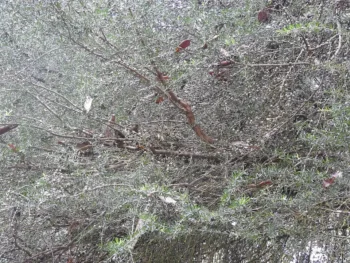
Common Teatree: A Flowering Shrub for Warm Climate Gardens
If you’re looking for a hardy flowering shrub that can handle warm climates, you might have come across the common teatree (Leptospermum polygalifolim). This perennial shrub brings a touch of Australia to gardens, though it’s worth understanding what you’re getting into before you plant one.
What is Common Teatree?
Common teatree is a multi-stemmed woody shrub that typically stays under 13-16 feet tall, making it a manageable size for most gardens. Originally from Australia, this plant has found its way to Hawaii, where it’s established itself quite successfully in the wild. You might also see it listed under the botanical synonym Leptospermum flavescens in some older references.
Where Does Common Teatree Grow?
Currently, common teatree is found growing in Hawaii, where it’s considered a non-native species that reproduces on its own without human help. This ability to self-propagate shows just how well-adapted it is to warm, tropical conditions.
- Species observed
- No observations
Should You Plant Common Teatree?
Here’s where things get a bit nuanced. Common teatree isn’t native to North American ecosystems, and while it’s not currently listed as invasive, its ability to reproduce spontaneously in Hawaii suggests it’s quite vigorous. If you’re committed to supporting local ecosystems, you might want to consider native alternatives instead.
That said, if you decide to grow common teatree, it can be an attractive addition to the right garden setting. Just be mindful of its non-native status and consider whether a native shrub might better serve your landscape goals.
Garden Design and Landscape Use
Common teatree works well as:
- An ornamental specimen shrub
- Part of a mixed shrub border
- A hedge or screening plant
- Addition to Mediterranean or drought-tolerant gardens
Its moderate size makes it versatile enough for both smaller residential gardens and larger landscape installations.
Growing Conditions and Care
Like most members of the teatree family, common teatree prefers:
- Full sun to partial shade
- Well-draining soil (it doesn’t like wet feet)
- Warm climate conditions (likely USDA zones 9-11)
- Minimal water once established
The good news is that once your common teatree is settled in, it’s generally low-maintenance. It’s adapted to handle some drought and doesn’t need constant babying.
Benefits for Pollinators
One positive aspect of common teatree is that its flowers can attract bees and other pollinators. While supporting native pollinators with native plants is always the gold standard, non-native plants that provide nectar and pollen can still offer some benefit.
Native Alternatives to Consider
Before committing to common teatree, consider these native options that might serve similar purposes in your landscape:
- Native azaleas for flowering shrub interest
- Native viburnums for wildlife value and flowers
- Regional native shrubs that provide similar height and form
Your local native plant society or extension office can help you identify the best native alternatives for your specific region and garden conditions.
The Bottom Line
Common teatree can be an attractive, low-maintenance shrub for warm climate gardens. However, its non-native status means it won’t provide the same ecological benefits as native alternatives. If you do choose to plant it, make sure it fits your garden’s conditions and consider pairing it with native plants to create a more balanced landscape. Whatever you decide, happy gardening!