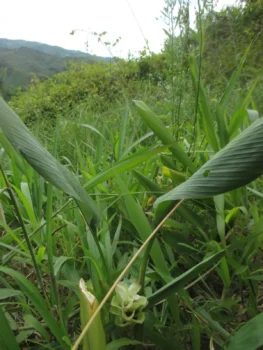
Common Turmeric: The Golden Spice Plant for Your Garden
If you’ve ever wondered about growing your own turmeric, you’re in for a treat! Common turmeric (Curcuma longa) isn’t just the golden spice that makes your curry sing – it’s also a stunning ornamental plant that can add tropical flair to your garden. This herbaceous perennial has been cultivating fans (and flavor) for thousands of years, and it might just be the perfect addition to your landscape.
What Exactly Is Common Turmeric?
Botanically known as Curcuma longa (and sometimes called Curcuma domestica), common turmeric is a perennial forb that belongs to the ginger family. Think of it as ginger’s glamorous cousin – it has the same underground rhizome structure but comes with its own unique personality. As a forb, it’s an herbaceous plant without woody stems, putting all its energy into those gorgeous leaves and that valuable underground treasure.
Where Does It Call Home?
Originally hailing from Southeast Asia, particularly India and Myanmar, common turmeric has made itself at home in various tropical locations around the world. In the United States, you’ll find it naturalized in Hawaii and Puerto Rico, where it has adapted well to the warm, humid conditions.
- Species observed
- No observations
Since turmeric is non-native to these areas but isn’t considered invasive or harmful, it occupies a neutral space in the gardening world. While it’s perfectly fine to grow, you might also consider native alternatives like wild ginger species if you’re focusing on supporting local ecosystems.
Why Your Garden Might Love Turmeric
Common turmeric brings several appealing qualities to the table (literally and figuratively):
- Stunning foliage: Large, lance-shaped leaves create a lush, tropical appearance
- Unique flowers: Produces interesting cone-like flower spikes with white to pale yellow bracts
- Dual purpose: Beautiful ornamental plant that also provides culinary value
- Low maintenance: Once established, it’s relatively easy to care for
- Container friendly: Perfect for pots if you live in cooler climates
The Perfect Garden Homes for Turmeric
Common turmeric thrives in several garden settings:
- Tropical and subtropical landscapes: Natural choice for warm-climate gardens
- Herb gardens: Adds ornamental value to your culinary collection
- Container gardens: Excellent choice for patios and decks
- Shade gardens: Appreciates filtered light conditions
Growing Conditions That Make Turmeric Happy
Success with common turmeric comes down to mimicking its native tropical environment:
- Climate: USDA hardiness zones 9-11; can be grown as an annual or container plant in cooler areas
- Light: Partial shade to filtered sunlight (avoid harsh, direct sun)
- Soil: Well-draining, fertile soil rich in organic matter
- Water: Consistent moisture during the growing season, but not waterlogged
- Humidity: Loves warm, humid conditions
Regarding wetland conditions, turmeric generally prefers upland areas. In the Caribbean region, it’s classified as an obligate upland plant, while in Hawaii, it shows more flexibility as a facultative upland species.
Planting and Care Tips
Getting started with turmeric is surprisingly straightforward:
Planting:
- Plant rhizomes in late spring after the soil has warmed
- Choose fresh, plump rhizomes with visible growing points
- Plant 2-3 inches deep in well-prepared soil
- Space plants about 12-18 inches apart
Care:
- Water regularly during the growing season, keeping soil consistently moist
- Apply organic mulch to retain moisture and suppress weeds
- Feed monthly with a balanced, organic fertilizer
- Allow the plant to go dormant in winter (leaves will die back naturally)
- In cold climates, dig up rhizomes before first frost and store indoors
Wildlife and Pollinator Considerations
While common turmeric produces flowers, they’re often sterile in cultivation and don’t provide significant pollinator benefits. The plant’s primary value to wildlife is minimal compared to native species. If supporting local pollinators is a priority, consider pairing turmeric with native flowering plants that bloom at different times throughout the season.
Should You Grow Common Turmeric?
Common turmeric can be a delightful addition to the right garden setting. It’s perfect if you’re looking for a low-maintenance tropical plant that offers both ornamental and culinary value. However, keep in mind that as a non-native species, it won’t provide the same ecological benefits as native plants.
Consider growing turmeric if you:
- Live in a warm climate (zones 9-11) or can provide container growing conditions
- Want to harvest your own fresh turmeric
- Appreciate unique, tropical foliage plants
- Have a partially shaded spot that needs something special
Whether you’re drawn to its golden rhizomes or its lush green leaves, common turmeric offers a unique opportunity to grow something both beautiful and useful. Just remember to balance your plant choices with native species that support your local ecosystem – your garden (and the local wildlife) will thank you for the diversity!