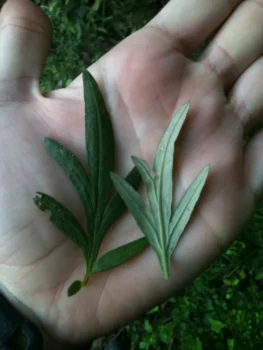
Common Wormwood: Why This Perennial Herb Might Not Be Right for Your Garden
Common wormwood (Artemisia vulgaris) might sound like an intriguing addition to your garden with its aromatic foliage and historical herbal uses, but this perennial deserves some serious consideration before you plant it. Also known as mugwort, artemisia, or hierba de San Juan, this gray-green plant has a complex relationship with North American gardens that every gardener should understand.
What is Common Wormwood?
Common wormwood is a perennial herb that forms low-growing shrubs, typically staying under 1.5 feet tall and never exceeding 3 feet at maturity. This aromatic plant produces gray-green foliage and small, inconspicuous yellowish flowers in late summer. While it may seem like a modest garden addition, don’t let its size fool you – this plant packs some serious spreading power.
Native Status and Geographic Distribution
Here’s where things get complicated. Common wormwood isn’t native to North America – it originally hails from Europe, Asia, and northern Africa. However, it has thoroughly established itself across our continent, now growing wild in most U.S. states, Canadian provinces, and even Alaska, Hawaii, and Pacific territories. This widespread distribution happened because the plant reproduces spontaneously in the wild and persists without any human help.
- Species observed
- No observations
The Invasive Reality
Before you consider adding common wormwood to your garden, you need to know about its invasive status. This plant is officially listed as invasive in Connecticut and prohibited in New Hampshire. These designations aren’t given lightly – they indicate that common wormwood can aggressively spread beyond where it’s planted, potentially crowding out native plants and disrupting local ecosystems.
The plant’s ability to spread rapidly and establish in various conditions makes it a concern for natural areas. Once established, it can be difficult to control and may require ongoing management efforts.
Growing Conditions and Hardiness
If you’re wondering why common wormwood spreads so successfully, its adaptable nature provides the answer. This tough perennial thrives in USDA hardiness zones 4-8 and tolerates a wide range of conditions:
- Full sun to partial shade
- Poor to average soils
- Drought conditions once established
- Obligate upland conditions (almost never grows in wetlands)
This adaptability, while making it an easy plant to grow, also contributes to its invasive potential.
Wildlife and Pollinator Benefits
While common wormwood does produce flowers that provide some nectar for insects, it’s not particularly beneficial for most native pollinators or wildlife compared to native alternatives. The plant’s non-native status means it hasn’t co-evolved with our local ecosystem, limiting its ecological value.
Our Recommendation
Given common wormwood’s invasive status and potential to disrupt native plant communities, we recommend against planting it in your garden. The risk of it spreading beyond your property and impacting natural areas outweighs its modest ornamental value.
Native Alternatives to Consider
Instead of common wormwood, consider these native alternatives that offer similar characteristics without the invasive concerns:
- White sage (Artemisia ludoviciana) – offers silvery foliage and aromatic qualities
- Prairie sage (Artemisia frigida) – provides similar gray-green coloring
- Local native Artemisia species specific to your region
- Native herbs like wild bergamot or native mints for aromatic garden additions
If You Already Have Common Wormwood
If common wormwood is already growing in your garden, consider removing it to prevent further spread. The plant can be controlled through:
- Digging up the entire root system
- Repeated cutting to weaken the plant
- Consulting with local extension services for management strategies
Always dispose of plant material responsibly – don’t compost it or dump it in natural areas where it might establish new populations.
The Bottom Line
While common wormwood might seem like an easy-care perennial for your garden, its invasive nature makes it a poor choice for responsible gardening. By choosing native alternatives instead, you’ll create a garden that supports local wildlife while avoiding the risk of contributing to invasive species problems. Your local ecosystem – and your gardening neighbors – will thank you for making the native choice.