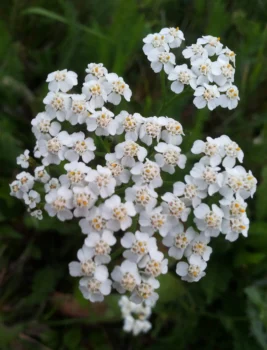
Common Yarrow: A Hardy Perennial with Old-World Charm
If you’re looking for a tough-as-nails perennial that laughs in the face of drought and poor soil, common yarrow (Achillea millefolium var. millefolium) might just be your new garden ally. This feathery-leaved beauty has been winning over gardeners for generations with its no-fuss attitude and charming cottage garden appeal.
What Exactly Is Common Yarrow?
Common yarrow is a perennial forb – basically a fancy way of saying it’s an herbaceous plant that comes back year after year without any woody stems. This European and Asian native has made itself quite at home across North America, spreading to an impressive list of locations including most U.S. states and Canadian provinces.
You’ll find this adaptable plant growing wild from Alberta to Florida, and from California to Newfoundland. It’s become so widespread that many people assume it’s native – but it’s actually an introduced species that’s naturalized beautifully in our landscapes.
- Species observed
- No observations
Why Gardeners Love (and Sometimes Love to Hate) Yarrow
Common yarrow is like that friend who’s incredibly reliable but maybe a little too enthusiastic sometimes. Here’s what makes it appealing:
- Flat-topped clusters of small white flowers that bloom from late spring through fall
- Feathery, aromatic foliage that adds texture to garden beds
- Exceptional drought tolerance once established
- Thrives in poor soils where other plants struggle
- Attracts beneficial insects, butterflies, and pollinators
- Hardy in USDA zones 3-9
The flip side? Yarrow can be a bit of an overachiever, spreading enthusiastically through underground rhizomes. What starts as a small clump can become a substantial colony if left unchecked.
Perfect Spots for Common Yarrow
This versatile perennial shines in several garden settings:
- Cottage gardens: Its informal, old-fashioned charm fits perfectly
- Xeriscaping: Ideal for water-wise landscapes
- Naturalized areas: Great for meadow-style plantings
- Difficult spots: Handles slopes, poor soil, and neglect with grace
Growing Common Yarrow Successfully
The good news about yarrow is that successfully and easily go hand in hand. This plant is almost ridiculously low-maintenance:
Sunlight: Full sun is best, though it tolerates partial shade
Soil: Well-draining soil is essential – yarrow hates wet feet
Water: Drought tolerant once established; avoid overwatering
Maintenance: Deadhead spent flowers to encourage more blooms
Planting and Care Tips
- Plant in spring or fall when temperatures are moderate
- Space plants 12-18 inches apart to allow for spreading
- Water regularly the first year, then step back and let nature take over
- Divide clumps every 3-4 years to control spread and rejuvenate plants
- Cut back to ground level in late fall or early spring
A Word About Alternatives
While common yarrow isn’t considered invasive, some gardeners prefer supporting native ecosystems with indigenous plants. If you’re interested in native alternatives, consider looking into native wildflowers and perennials that offer similar drought tolerance and pollinator benefits specific to your region.
The Bottom Line
Common yarrow earns its place in gardens through sheer reliability and charm. It’s perfect for gardeners who want maximum impact with minimal effort, especially in challenging growing conditions. Just be prepared to manage its enthusiastic spreading habit, and you’ll have a loyal garden companion for years to come.
Whether you’re creating a cottage garden, establishing a drought-tolerant landscape, or simply need something tough for that problem spot in your yard, common yarrow delivers old-world appeal with new-world adaptability.