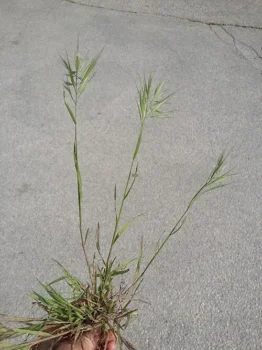
Compact Brome: What Every Gardener Should Know About This Non-Native Grass
If you’ve spotted a small, delicate-looking grass with compact seed heads popping up in your garden, you might be looking at compact brome (Bromus madritensis). This annual grass has made itself quite at home across many U.S. states, though it’s not originally from around here. Let’s dive into what makes this little grass tick and whether it deserves a spot in your landscape plans.
The Basics: What Is Compact Brome?
Compact brome is a non-native annual grass that has established itself throughout much of the United States. Originally from the Mediterranean region, this adaptable little plant has proven quite successful at making new homes for itself from coast to coast. As its name suggests, it produces relatively compact, dense seed heads compared to some of its grassier cousins.
Where You’ll Find It
This enterprising grass has spread to quite a few states, including Arizona, California, Hawaii, Illinois, Maryland, Michigan, Mississippi, Nevada, Oregon, and Virginia. It’s one of those plants that reproduces on its own in the wild without any human help and tends to stick around once it arrives.
- Species observed
- No observations
What Does It Look Like?
Being an annual grass, compact brome completes its entire life cycle in one growing season. It’s not particularly showy or ornamental – you won’t find it winning any beauty contests in the plant world. The grass produces small, compact seed heads that give it its common name, and like most grasses, it’s wind-pollinated rather than relying on bees or other pollinators.
Growing Conditions and Habitat
One thing about compact brome – it’s not picky about where it grows. This grass strongly prefers upland areas and almost never appears in wetlands across most regions. In the Western Mountains, Valleys, and Coast region, it’s a bit more flexible and may occasionally pop up in wetter areas, but it’s still primarily a dry-land species.
Should You Plant Compact Brome?
Here’s where things get interesting. While compact brome isn’t officially listed as invasive or noxious, it’s not exactly a garden star either. This grass doesn’t offer much in terms of:
- Ornamental value or aesthetic appeal
- Wildlife benefits or food sources
- Pollinator support (it’s wind-pollinated)
- Intentional landscaping purposes
Most gardeners encounter compact brome as a volunteer plant rather than something they’ve deliberately chosen to grow. If you’re looking to add grasses to your landscape, you’ll likely find much better options among native species.
Better Native Alternatives
Instead of compact brome, consider these native grass alternatives that offer more benefits for your local ecosystem:
- Regional native bunch grasses that provide wildlife habitat
- Native grasses that support local pollinators and beneficial insects
- Indigenous species that are naturally adapted to your specific climate
- Native grasses that offer better ornamental value and garden performance
Managing Compact Brome
If compact brome has already made itself at home in your garden, you can manage it like any other weedy annual grass. Since it completes its life cycle in one year, preventing it from setting seed is key to controlling future populations. Hand-pulling before seed production or mowing can be effective management strategies.
The Bottom Line
While compact brome isn’t necessarily harmful, it’s not adding much value to your garden either. This non-native annual grass is more of a background player that’s adapted well to life in various U.S. climates. If you’re planning your landscape, you’ll probably get more bang for your buck by choosing native grasses that support local wildlife and offer better ornamental qualities. Save your garden space for plants that really earn their keep!