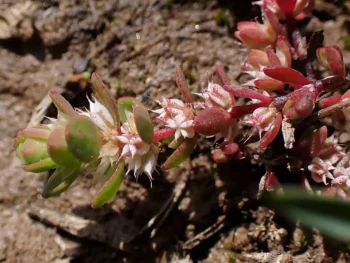
Coral Necklace (Illecebrum): A Mysterious Garden Visitor
If you’ve stumbled across the name coral necklace in your plant research, you’ve discovered one of the more enigmatic members of the gardening world. Known botanically as Illecebrum, this little-known annual forb has managed to establish itself in parts of New England, though it remains something of a botanical mystery.
What is Coral Necklace?
Coral necklace is an annual herbaceous plant—what botanists call a forb. This means it’s a non-woody plant that completes its entire life cycle in a single growing season. Unlike perennials that return year after year, coral necklace grows from seed, flowers, sets seed, and dies all within one year.
As a non-native species, coral necklace isn’t originally from North America. It’s what we call an introduced plant that has managed to establish itself and reproduce without human intervention in the wild.
Where You’ll Find It
Currently, coral necklace has been documented growing in Massachusetts, making it a rather localized species in North America. Its limited distribution suggests it may have specific growing requirements or simply hasn’t had the opportunity to spread more widely.
- Species observed
- No observations
The Challenge with Coral Necklace
Here’s where things get tricky for gardeners: there’s remarkably little information available about coral necklace’s specific growing requirements, garden performance, or ecological impact. While we know it’s established itself in Massachusetts, we don’t have clear data on:
- Preferred growing conditions
- Mature size and appearance
- Hardiness zones
- Benefits to pollinators or wildlife
- Potential invasive tendencies
Should You Plant Coral Necklace?
Given the limited information available about coral necklace, it’s difficult to recommend it for most garden situations. Without knowing its specific needs, growth habits, or potential impacts, you’d essentially be gardening in the dark.
Instead, if you’re looking for interesting annual plants to add to your New England garden, consider these well-documented native alternatives:
- Wild bergamot (Monarda fistulosa) – attracts bees and butterflies
- New England aster (Symphyotrichum novae-angliae) – late-season pollinator magnet
- Wild columbine (Aquilegia canadensis) – elegant early spring blooms
- Cardinal flower (Lobelia cardinalis) – stunning red flowers beloved by hummingbirds
The Bottom Line
While coral necklace has an intriguing name and has managed to establish itself in Massachusetts, the lack of available growing information makes it an impractical choice for most gardeners. Sometimes the most mysterious plants are best left to botanical researchers and wild spaces where they can exist without our interference.
If you’re passionate about supporting local ecosystems, stick with native plants that have well-documented benefits for pollinators, birds, and other wildlife. Your garden—and local environment—will thank you for choosing plants with known positive impacts over botanical mysteries.