Coral Vine: The Heart-Shaped Beauty That’s Taking Over Gardens
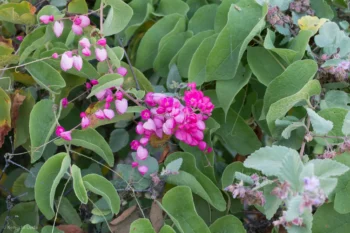
If you’ve ever spotted cascades of tiny pink heart-shaped flowers tumbling over a fence or arbor, chances are you’ve encountered coral vine (Antigonon leptopus). Also known as hearts-on-a-chain or Mexican creeper, this enthusiastic climbing vine has charmed gardeners across the warmer regions of the United States with its romantic blooms and vigorous growth habit.
What Exactly Is Coral Vine?
Coral vine is a perennial twining and climbing plant that can develop woody stems over time. True to its common names, the flowers really do look like tiny coral-pink hearts dangling in graceful chains from the vine. The heart-shaped leaves add to the romantic appeal, creating a lush backdrop for the prolific blooms that appear from late summer through fall.
Where Does Coral Vine Come From?
Originally native to Mexico, Central America, and parts of South America, coral vine has made itself quite at home in warmer parts of the United States. It’s now established and reproducing on its own in Alabama, Florida, Georgia, Hawaii, Louisiana, Mississippi, South Carolina, Texas, and various U.S. territories including Guam, Palau, Puerto Rico, and the Virgin Islands.
- Species observed
- No observations
Why Gardeners Love (and Sometimes Regret) Coral Vine
There’s a lot to love about coral vine, but it comes with some important considerations:
The Good Stuff:
- Spectacular fall blooms that attract bees, butterflies, and hummingbirds
- Fast coverage for fences, arbors, and unsightly structures
- Drought tolerant once established
- Thrives in hot, sunny conditions where other vines struggle
- Low maintenance once established
The Challenges:
- Extremely vigorous growth that requires regular pruning
- Can spread underground through tubers
- May overwhelm smaller plants or structures
- Dies back in cooler temperatures but returns from roots
Growing Coral Vine Successfully
Coral vine is remarkably easy to grow, perhaps too easy for some gardeners’ comfort. Here’s what you need to know:
Climate and Hardiness
Coral vine thrives in USDA hardiness zones 8b through 11. In cooler zones, it may die back to the ground with frost but often returns from its root system in spring.
Growing Conditions
- Light: Full sun to partial shade (blooms best in full sun)
- Soil: Well-draining soil; adapts to various soil types
- Water: Drought tolerant once established, but regular watering promotes better blooming
- Space: Give it plenty of room or be prepared to prune regularly
Planting and Care Tips
- Plant in spring after the last frost date
- Provide strong support structures as mature vines can become quite heavy
- Prune regularly to control size and shape
- Remove spent flowers to encourage continued blooming
- Monitor for spread beyond desired areas
Where Coral Vine Fits in Your Landscape
Coral vine works beautifully in Mediterranean-style gardens, tropical landscapes, and anywhere you need fast-growing screening. It’s perfect for covering chain-link fences, creating privacy screens, or adding vertical interest to arbors and pergolas. The late-season blooms are especially valuable when many other flowering plants are winding down.
Regarding wetland compatibility, coral vine is quite adaptable. In most regions, it can grow in both wetland and non-wetland conditions, though it typically prefers upland sites in the Caribbean region.
Consider Native Alternatives
While coral vine isn’t currently listed as invasive, it’s worth considering native climbing vines that provide similar benefits while supporting local ecosystems. Depending on your region, native alternatives might include American groundnut (Apios americana), crossvine (Bignonia capreolata), or native honeysuckles like coral honeysuckle (Lonicera sempervirens).
The Bottom Line
Coral vine can be a stunning addition to the right garden situation, especially if you need fast coverage and don’t mind regular maintenance. Its romantic heart-shaped flowers and pollinator appeal make it genuinely attractive, but its vigorous nature means it’s not a plant-and-forget option. If you choose to grow coral vine, embrace its exuberant personality and plan for regular pruning sessions to keep it in bounds.
Whether you fall for its charming hearts or decide it’s too much vine for your space, coral vine certainly makes an impression wherever it grows!