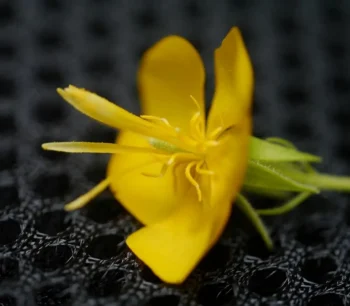
Corchoropsis: The Ephemeral Forb You Probably Shouldn’t Plant
If you’ve stumbled across the name corchoropsis (Corchoropsis crenata) while browsing plant lists or databases, you might be wondering if this annual forb could find a home in your garden. Well, here’s the thing about corchoropsis – it’s what botanists call a waif, and that’s probably not what you think it means!
What Makes Corchoropsis Special (And Elusive)
Corchoropsis crenata is an annual forb, meaning it’s a soft-stemmed herbaceous plant that completes its entire life cycle in one growing season. Unlike woody shrubs or trees, forbs like corchoropsis lack significant woody tissue and die back to the ground each year. What makes this particular plant interesting from a botanical perspective is its classification as a waif species.
In plant terminology, a waif isn’t a homeless plant looking for adoption – it’s an ephemeral, non-native species that occasionally shows up but doesn’t stick around to establish permanent populations. Think of it as nature’s equivalent of a brief tourist visit rather than a permanent resident.
Where You Might (Briefly) Encounter Corchoropsis
This elusive annual has been spotted in Massachusetts and New Jersey, though don’t expect to find it thriving in local nurseries or persisting in wild spaces. Its waif status means that any appearances are temporary and unpredictable.
- Species observed
- No observations
The Reality Check: Why Corchoropsis Isn’t Garden Material
Here’s where we need to have an honest conversation about corchoropsis and your gardening dreams. Since this plant is classified as a waif, it means:
- It doesn’t establish lasting populations in North American climates
- Seeds or plants aren’t readily available through normal gardening channels
- Growing conditions and care requirements aren’t well-documented for our region
- Its ecological benefits to local wildlife are unknown or minimal
Essentially, corchoropsis is more of a botanical curiosity than a viable garden plant. Even if you managed to get your hands on seeds, there’s no guarantee they’d germinate or thrive in your garden conditions.
Better Alternatives: Native Annual Forbs Worth Growing
Instead of chasing after this ephemeral visitor, why not consider some fantastic native annual forbs that will actually thrive in your garden and support local ecosystems? Here are some crowd-pleasers:
- Wild Bergamot (Monarda fistulosa) – Though technically a perennial, it readily self-seeds and attracts pollinators like crazy
- Annual Sunflower (Helianthus annuus) – Bold, cheerful, and beloved by birds and bees
- Jewelweed (Impatiens capensis) – Perfect for moist areas and hummingbirds adore it
- Wild Ginger (Asarum canadense) – A native groundcover that’s much more reliable than our mysterious corchoropsis
The Bottom Line on Corchoropsis
While Corchoropsis crenata might sound intriguing, its waif status makes it an impractical choice for intentional gardening. Think of it as one of those interesting footnotes in botanical databases rather than your next garden addition. Your time, energy, and garden space are much better invested in native plants that will establish, thrive, and contribute to your local ecosystem year after year.
Sometimes the most gardening wisdom comes from knowing which plants to admire from afar and which ones to actually invite into your landscape. Corchoropsis definitely falls into the admire from afar category – if you’re lucky enough to spot it during one of its brief appearances!