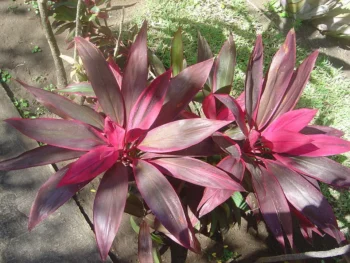
Cordyline: The Dramatic Tropical Accent Your Garden Might Be Missing
If you’ve ever dreamed of adding a touch of tropical drama to your landscape, you’ve probably encountered cordyline. With its striking sword-like leaves and architectural form, this perennial shrub has become a popular choice for gardeners looking to create exotic, eye-catching displays.
What Exactly Is Cordyline?
Cordyline is a genus of perennial shrubs that typically grows as a multi-stemmed woody plant, usually reaching heights of 13 to 16 feet or less. These plants are characterized by their dramatic, elongated leaves that create bold architectural statements in the landscape. While several stems typically arise from or near the ground, cordylines can sometimes develop into single-stemmed specimens depending on growing conditions.
Where Does Cordyline Come From?
Here’s something important to know: cordyline is not native to the United States. Originally from places like New Zealand, Australia, and various Pacific Islands, cordyline has been introduced to American gardens and now reproduces spontaneously in the wild in several locations. You’ll find established populations in California, Hawaii, Puerto Rico, Palau, and the U.S. Minor Outlying Islands.
- Species observed
- No observations
Should You Plant Cordyline in Your Garden?
The answer depends on what you’re looking for and where you live. Cordyline isn’t currently listed as invasive or noxious, which means it’s generally safe to grow from a regulatory standpoint. However, since it’s non-native, you might want to consider native alternatives that provide similar visual impact while supporting local ecosystems.
The Appeal of Cordyline
There’s no denying cordyline’s visual punch. These plants offer:
- Bold, sword-like foliage that creates instant drama
- Architectural form that works as a stunning focal point
- Tropical appearance that transforms ordinary gardens
- Year-round interest in mild climates
- Relatively low maintenance once established
Where Cordyline Shines in Garden Design
Cordyline works beautifully as an accent plant or focal point in various garden styles. It’s particularly well-suited for:
- Tropical and exotic themed gardens
- Mediterranean-style landscapes
- Container gardens and patio displays
- Modern, minimalist designs where architectural plants are featured
- Poolside plantings for that resort-like feel
Growing Conditions and Care
Cordyline is generally hardy in USDA zones 9-11, though some varieties can tolerate slightly cooler conditions. These plants prefer:
- Well-draining soil (they don’t like wet feet)
- Full sun to partial shade
- Moderate watering – drought tolerant once established
- Protection from harsh winds and frost
Planting and Care Tips
Getting cordyline established is relatively straightforward:
- Choose a location with good drainage – this is crucial
- Dig a hole twice as wide as the root ball
- Water regularly the first year, then reduce frequency
- Mulch around the base to retain moisture and regulate soil temperature
- Protect from frost in borderline hardiness zones
- Remove dead or damaged leaves to maintain appearance
Wildlife and Pollinator Considerations
While cordyline may produce flowers that attract some pollinators, it’s not considered a significant pollinator plant. If supporting local wildlife is a priority, you might want to consider native alternatives that provide similar architectural interest while offering more substantial benefits to local ecosystems.
The Bottom Line
Cordyline can be a stunning addition to the right garden, offering dramatic form and tropical flair with relatively low maintenance requirements. However, as responsible gardeners, it’s worth considering whether native plants might serve your design goals while also supporting local wildlife. If you do choose to grow cordyline, ensure you’re purchasing from reputable sources and enjoy the bold statement this architectural plant can make in your landscape.
Remember, the best garden is one that reflects your personal style while being mindful of the local environment. Whether you choose cordyline or explore native alternatives, the key is creating a space that brings you joy and connects you with the natural world around you.