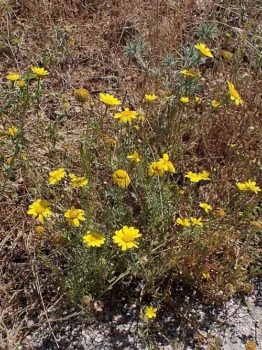
Corndaisy: A Cheerful Annual Wildflower for Low-Maintenance Gardens
If you’re looking for a bright, easy-going annual that asks for very little but delivers loads of sunny charm, meet the corndaisy (Glebionis segetum). This unpretentious wildflower might not be a household name, but it’s been quietly brightening gardens and roadsides across North America with its cheerful yellow blooms.
What is Corndaisy?
Corndaisy, also known by its former scientific name Chrysanthemum segetum, is an annual forb that belongs to the daisy family. As a non-woody herbaceous plant, it grows quickly from seed each year, producing a season-long display of golden-yellow flowers that look like small sunflowers or classic daisies.
Originally from Europe and the Mediterranean region, corndaisy has naturalized across much of North America, from Alaska down through the continental United States. You’ll find it growing in Alabama, Alaska, California, Connecticut, Florida, Louisiana, Maine, Maryland, Massachusetts, New York, North Carolina, Ohio, Oregon, Pennsylvania, South Carolina, and Virginia, as well as several Canadian provinces including New Brunswick, Nova Scotia, Ontario, Prince Edward Island, and Quebec.
- Species observed
- No observations
Why Consider Growing Corndaisy?
There are several reasons gardeners might want to give this humble wildflower a try:
- Low maintenance: Once established, corndaisy practically takes care of itself
- Drought tolerance: Perfect for water-wise gardening or neglected spots
- Poor soil tolerance: Thrives where other plants struggle
- Pollinator magnet: Bees, butterflies, and other beneficial insects love the accessible flowers
- Long blooming period: Flowers from summer through fall
- Self-seeding: Will return next year without replanting
Garden Design and Landscape Use
Corndaisy works beautifully in informal garden settings. Consider it for:
- Wildflower meadows and prairie-style plantings
- Cottage gardens where a relaxed, natural look is desired
- Difficult areas with poor soil or drainage issues
- Cutting gardens for cheerful bouquets
- Children’s gardens due to its easy-growing nature
The bright yellow flowers create lovely combinations with purple asters, blue cornflowers, or orange California poppies.
Growing Corndaisy Successfully
One of corndaisy’s greatest virtues is how easy it is to grow. Here’s what you need to know:
Growing Conditions
- Sunlight: Full sun (6+ hours daily)
- Soil: Tolerates poor, sandy, or clay soils; prefers well-draining conditions
- Water: Drought-tolerant once established, but appreciates occasional watering during dry spells
- Climate: Grows as an annual in USDA zones 2-11
Planting and Care Tips
- Direct seed in spring after the last frost date
- Scatter seeds lightly over prepared soil and barely cover
- Seeds germinate quickly, usually within 1-2 weeks
- Thin seedlings to prevent overcrowding
- Deadhead spent flowers to encourage continued blooming
- Allow some flowers to go to seed if you want plants to return next year
A Word About Native Alternatives
While corndaisy isn’t invasive, gardeners interested in supporting local ecosystems might consider native alternatives that provide similar benefits. Look for native yellow wildflowers in your region, such as black-eyed Susan (Rudbeckia species), lanceleaf coreopsis (Coreopsis lanceolata), or wild bergamot (Monarda fistulosa), depending on your location.
The Bottom Line
Corndaisy earns its keep as a reliable, cheerful annual that brings color and life to challenging garden spots. While it may not be native to North America, it’s naturalized without becoming problematic and provides valuable resources for pollinators. Whether you’re a beginning gardener looking for foolproof flowers or an experienced gardener wanting to fill in tough spots, corndaisy delivers sunny satisfaction with minimal fuss.
Just remember to keep an eye on its self-seeding habits – while this can be a blessing for low-maintenance gardening, you’ll want to manage it thoughtfully to prevent it from overwhelming more delicate plants in your garden.