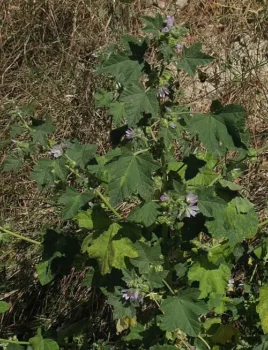
Cornish Mallow: A Mediterranean Beauty for Your Garden
Looking for a cheerful flowering plant that brings Mediterranean charm to your garden? Meet Cornish mallow (Lavatera cretica), a delightful forb that produces hibiscus-like blooms from spring through fall. While this plant isn’t native to North America, it has found a home in California gardens where its drought tolerance and continuous flowering make it an appealing choice for water-wise landscapes.
What is Cornish Mallow?
Cornish mallow is a non-woody flowering plant that can behave as an annual, biennial, or perennial depending on growing conditions. As a forb, it lacks significant woody tissue but makes up for it with abundant, showy flowers. The plant produces lovely pink to purple, five-petaled blooms that resemble small hibiscus flowers, creating a cottage garden feel wherever it grows.
Where Does It Grow?
Originally from the Mediterranean region, particularly around Crete, Cornish mallow has established itself in California, where it reproduces spontaneously in the wild. This introduced species has adapted well to the state’s Mediterranean climate and can persist without human intervention.
- Species observed
- No observations
Why Consider Growing Cornish Mallow?
There are several reasons gardeners might be drawn to this Mediterranean transplant:
- Long blooming season from spring through fall
- Drought tolerant once established
- Attracts beneficial pollinators like bees and butterflies
- Self-seeds readily for natural garden renewal
- Thrives in full sun conditions
- Perfect for Mediterranean and cottage garden styles
Growing Conditions and Care
Cornish mallow is relatively easy to grow if you can provide the right conditions. It thrives in USDA hardiness zones 9-11, making it suitable for warmer climates but tender in areas with harsh winters.
Here’s what this plant needs to flourish:
- Sunlight: Full sun for best flowering
- Soil: Well-draining soil is essential
- Water: Drought tolerant once established, but benefits from occasional deep watering
- Maintenance: Deadhead spent flowers to encourage continued blooming
Planting and Propagation Tips
The easiest way to grow Cornish mallow is by direct sowing seeds in your garden. The plant readily self-seeds, so you may find volunteers appearing in subsequent seasons. If you’re in a colder climate, you can try growing it as an annual or start seeds indoors before the last frost.
A Word About Native Alternatives
While Cornish mallow can be a lovely addition to appropriate gardens, consider exploring native alternatives that provide similar benefits while supporting local ecosystems. Native plants often require less water and maintenance while providing superior habitat for local wildlife. Some beautiful native options with similar cottage garden appeal include native mallows in the genus Sidalcea or other regional flowering forbs.
Is Cornish Mallow Right for Your Garden?
If you live in a warm climate and love the idea of continuous blooms in a drought-tolerant package, Cornish mallow might be worth considering. Its pollinator-friendly flowers and easy-care nature make it suitable for Mediterranean-style landscapes and cottage gardens. Just remember that as a non-native species, it won’t provide the same ecological benefits as native plants, so consider incorporating it alongside native species for the best of both worlds.
Whether you choose to grow Cornish mallow or explore native alternatives, the key is creating a garden that brings you joy while being mindful of your local ecosystem. Happy gardening!