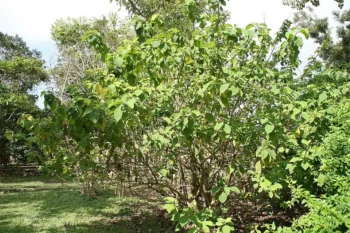
Cornutia grandifolia: The Mystery Plant That May Not Exist
If you’ve stumbled across the name Cornutia grandifolia in your gardening research, you’re not alone in wondering what exactly this plant is. Here’s the thing: reliable information about a plant with this exact botanical name is surprisingly hard to come by, and there’s a good reason for that.
The Case of the Missing Plant
When we dig into botanical databases and scientific literature, Cornutia grandifolia appears to be either an extremely rare, poorly documented species, or more likely, an outdated or invalid botanical name. In the ever-evolving world of plant taxonomy, names sometimes change, get reclassified, or fall out of use entirely.
What We Do Know
The genus Cornutia does exist in botanical literature, with some species documented in tropical regions. However, without reliable, verified information specifically about grandifolia, we can’t make any definitive statements about:
- Its native range or geographical distribution
- Growing conditions and care requirements
- Aesthetic characteristics
- Wildlife or pollinator benefits
- Invasive or conservation status
What Should Gardeners Do?
If you’re interested in this plant because you saw the name somewhere, here’s our friendly advice:
Double-check your source: Make sure the botanical name is spelled correctly and verify it against current botanical databases like the Missouri Botanical Garden’s Tropicos or the Royal Botanic Gardens, Kew.
Consider alternatives: If you’re looking for native plants for your garden, focus on well-documented species that are known to thrive in your area. Your local native plant society or extension office can provide excellent recommendations.
Be cautious with unknown plants: Without knowing a plant’s growth habits, native status, or potential invasiveness, it’s impossible to make informed gardening decisions.
Better Safe Than Sorry
In the gardening world, it’s always better to stick with plants that have clear documentation, known growing requirements, and established benefits for local ecosystems. There are thousands of well-documented native plants that can provide beauty, support wildlife, and thrive in your garden without the guesswork.
If you’re determined to track down information about Cornutia grandifolia, consider reaching out to botanical experts, herbarium collections, or specialized plant societies who might have more detailed knowledge about obscure or regional species.
The Bottom Line
Sometimes in gardening, as in life, the most honest answer is we don’t know enough to recommend this. When it comes to Cornutia grandifolia, the lack of reliable information makes it impossible to provide the growing guidance you’d need for successful cultivation. Your garden (and the environment) will be better served by choosing well-documented native plants with proven track records.