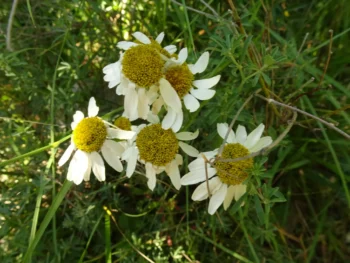
Corymbflower Tansy: A European Perennial for American Gardens
Looking for a hardy perennial that produces cheerful white flowers and thrives with minimal fuss? Corymbflower tansy (Tanacetum corymbosum) might just be the plant you’re seeking. This European native has found its way into American gardens, particularly in the Pacific Northwest, where it’s made itself quite at home.
What is Corymbflower Tansy?
Corymbflower tansy is a perennial forb that belongs to the daisy family. You might also see it listed under its scientific synonym, Chrysanthemum corymbosum. As a forb, it’s an herbaceous plant that lacks woody stems and dies back to the ground each winter, returning fresh and vigorous the following spring.
This plant produces distinctive flat-topped clusters of small, white, daisy-like flowers that bloom throughout the summer months. The aromatic foliage adds an extra sensory dimension to your garden, releasing a pleasant fragrance when brushed or crushed.
Where Does It Grow?
Originally from Europe and western Asia, corymbflower tansy has established itself as a non-native species in parts of the United States. Currently, it’s documented as growing wild in Oregon, where it reproduces naturally without human intervention.
- Species observed
- No observations
Garden Appeal and Landscape Role
What makes corymbflower tansy appealing to gardeners? Here are its standout features:
- Clusters of small white flowers that bloom for an extended period
- Aromatic foliage that adds fragrance to the garden
- Low-maintenance growth habit
- Attracts pollinators including bees and butterflies
- Drought tolerance once established
This plant works well in informal garden settings, cottage gardens, wildflower meadows, and naturalized areas. It’s particularly suited for gardeners who prefer a more relaxed, less manicured landscape style.
Growing Conditions and Care
Corymbflower tansy is refreshingly easy to grow, thriving in USDA hardiness zones 3-8. Here’s what it needs to flourish:
Sun and Soil: Plant in full sun locations with well-drained soil. While it’s not particularly picky about soil type, good drainage is essential to prevent root rot.
Water Needs: Once established, this perennial is quite drought tolerant, making it a good choice for water-wise gardens or areas that receive minimal irrigation.
Maintenance: Cut back spent flower clusters to encourage continued blooming, or leave them if you want the plant to self-seed. Every 3-4 years, divide clumps in spring or fall to maintain vigor and prevent overcrowding.
Pollinator and Wildlife Benefits
The flat-topped flower clusters are magnets for beneficial insects, including bees, butterflies, and other pollinators. The extended bloom period provides a reliable nectar source throughout much of the growing season, making it a valuable addition to pollinator gardens.
Things to Consider
While corymbflower tansy can be an attractive garden addition, it’s worth noting that it’s not native to North America. As a non-native species, it doesn’t provide the same ecological benefits as indigenous plants that have co-evolved with local wildlife.
If you’re interested in similar aesthetics but want to support native ecosystems, consider these alternatives:
- Wild bergamot (Monarda fistulosa) for aromatic foliage and pollinator appeal
- White yarrow (Achillea millefolium) for similar flat-topped flower clusters
- Pearly everlasting (Anaphalis margaritacea) for white flowers and drought tolerance
The Bottom Line
Corymbflower tansy offers gardeners an easy-care perennial with attractive flowers and pollinator benefits. While it’s not native to North America, it’s not currently listed as invasive or problematic. If you choose to grow it, you’ll likely find it to be a reliable performer that asks for little but gives back with months of cheerful blooms.
Whether you’re creating a cottage garden, establishing a wildflower meadow, or simply looking for a low-maintenance perennial that attracts beneficial insects, corymbflower tansy could be worth considering – just remember to explore native alternatives too, as they often provide even greater benefits to local ecosystems.