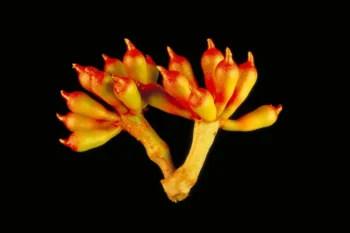
Corymbia zygophylla: A Lesser-Known Australian Native Worth Discovering
Meet Corymbia zygophylla, a charming eucalyptus species that might not roll off the tongue easily, but certainly deserves a spot in the conversation about Australian native trees. While this tree doesn’t have a widely recognized common name, it’s formerly known as Eucalyptus zygophylla, which might ring a bell for eucalyptus enthusiasts.
Where Does This Tree Call Home?
Corymbia zygophylla is a true blue Australian native, hailing specifically from southeastern Queensland. This regional endemic has adapted to the unique climate and soil conditions of its homeland, making it a authentic choice for gardeners looking to embrace Australia’s natural heritage.
What Makes It Special?
This medium-sized tree brings several appealing qualities to the garden:
- Attractive smooth, mottled bark that provides year-round visual interest
- Cream-colored flowers that create a subtle but beautiful display
- Drought tolerance once established, perfect for water-wise gardening
- Wildlife magnet for native bees, birds, and other beneficial creatures
Is This Tree Right for Your Garden?
Corymbia zygophylla works well as a specimen tree or shade provider in the right setting. It’s particularly suited for:
- Australian native plant gardens
- Dry climate landscapes
- Wildlife-friendly gardens
- Properties with ample space for a medium-sized tree
However, keep in mind that this tree is best suited for warmer climates, thriving in USDA hardiness zones 9-11. If you live in cooler areas, you might want to consider cold-hardy alternatives.
Growing Corymbia zygophylla Successfully
Like many Australian natives, this tree appreciates the tough love approach to gardening:
- Soil: Well-draining soil is absolutely essential – soggy feet are a no-go
- Sun: Full sun exposure for optimal growth and flowering
- Water: Regular watering during establishment, then drought-tolerant
- Maintenance: Light pruning when young to establish good structure
The Wildlife Connection
One of the best reasons to consider Corymbia zygophylla is its value to local wildlife. The cream-colored flowers provide nectar for native bees and attract birds, making your garden a bustling hub of natural activity. It’s like having a wildlife restaurant right in your backyard!
A Word of Caution
While specific information about this tree’s invasive potential is limited, it’s always wise to check with local extension services or native plant societies before introducing any new species to your area, especially if you’re outside its native range in Australia.
The Bottom Line
Corymbia zygophylla might not be the most famous tree in the eucalyptus family, but for the right garden in the right climate, it offers a wonderful combination of low-maintenance beauty and wildlife value. If you’re in a suitable climate zone and looking for an authentic Australian native that won’t demand constant attention once established, this could be your tree. Just remember – good drainage and patience during establishment are your keys to success!