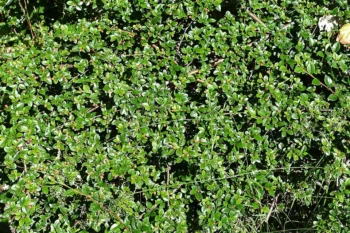
Cotoneaster nitidus: The Mysterious Cotoneaster Worth Knowing About
If you’ve stumbled across the name Cotoneaster nitidus in your gardening research, you’re not alone in wondering what exactly this plant is all about. This particular cotoneaster species is something of an enigma in the gardening world – while it belongs to the well-known Cotoneaster genus, specific information about this species can be surprisingly elusive.
What We Know About Cotoneaster nitidus
Cotoneaster nitidus is a member of the extensive Cotoneaster family, which includes dozens of shrub species known for their ornamental berries and hardy nature. This particular species has been documented with the synonym Cotoneaster distichus Lange var. tongolensis, suggesting connections to Central Asian regions, particularly Tibet.
Geographic Distribution and Native Status
While the exact native range of Cotoneaster nitidus remains unclear in readily available literature, the plant’s synonymy points to origins in Central Asia. Without clear documentation of its native status in North America, gardeners should approach this species with appropriate caution.
The Challenge of Limited Information
Here’s where things get interesting (and a bit frustrating for curious gardeners): specific growing information, wildlife benefits, and cultivation requirements for Cotoneaster nitidus are not well-documented in standard horticultural references. This lack of readily available information raises several important considerations:
- Difficulty in sourcing plants from reputable nurseries
- Uncertainty about appropriate growing conditions
- Unknown potential for invasiveness or ecological impact
- Limited guidance for successful cultivation
Should You Plant Cotoneaster nitidus?
Given the limited information available, most gardeners would be better served by choosing well-documented alternatives. If you’re drawn to the Cotoneaster genus for its berries and wildlife value, consider these better-known options:
- Native alternatives like serviceberries (Amelanchier species)
- Native viburnums for similar berry production
- Well-documented Cotoneaster species with known cultivation requirements
If you do encounter Cotoneaster nitidus for sale or already have it in your garden, proceed with careful observation and responsible gardening practices.
Growing Considerations
Without specific cultivation information for Cotoneaster nitidus, gardeners should be prepared for some trial and error. Generally, Cotoneaster species prefer:
- Well-draining soil
- Full sun to partial shade
- Moderate watering once established
- Regular monitoring for potential spreading
The Bottom Line
Cotoneaster nitidus represents one of those gardening mysteries that remind us how much we still don’t know about plant diversity. While the scientific name exists and the plant has been documented, the lack of readily available growing information makes it a challenging choice for most gardeners.
Instead of wrestling with unknowns, consider focusing your energy on native plants with well-documented benefits for local wildlife and ecosystems. Your garden (and local birds and pollinators) will likely thank you for choosing plants with proven track records and clear cultivation guidance.
If you’re a plant collector drawn to rare or unusual species, just remember to source responsibly and monitor carefully – sometimes the most interesting plants are the ones we’re still learning about!