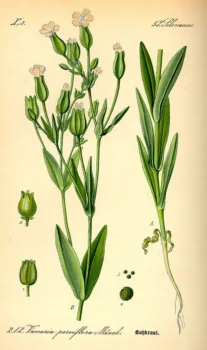
Cow Soapwort: A Delicate Annual with Old-World Charm
If you’ve ever stumbled across a patch of delicate pink flowers swaying in an abandoned lot or along a country roadside, chances are you might have encountered cow soapwort (Vaccaria hispanica). This charming annual has quietly made itself at home across North America, bringing a touch of old-world cottage garden appeal wherever it grows.
What is Cow Soapwort?
Cow soapwort is a non-native annual forb that originally hails from the Mediterranean region and parts of Europe. As a member of the carnation family, it shares some of the delicate beauty of its more famous cousins, though with a more understated, wildflower-like appearance.
This plant goes by several scientific names in older literature, including Saponaria vaccaria and Vaccaria pyramidata, which can make research a bit confusing. But regardless of what you call it, cow soapwort maintains its reputation as a reliable, easy-to-grow annual.
Where Does Cow Soapwort Grow?
Talk about a plant that’s made itself at home! Cow soapwort has established itself across virtually all of North America, from Alaska to Hawaii, and from coast to coast in both the United States and Canada. You’ll find it growing in fields, roadsides, disturbed areas, and anywhere the soil has been turned over.
- Species observed
- No observations
What Does Cow Soapwort Look Like?
Cow soapwort typically reaches 1-3 feet tall with a slender, upright growth habit. The plant produces small, five-petaled flowers that range from pale pink to nearly white, each about half an inch across. These delicate blooms are held above narrow, lance-shaped leaves that clasp the stem.
The overall effect is quite graceful – think of it as nature’s baby’s breath, with a slightly more substantial presence but still maintaining that airy, delicate quality that cottage gardeners adore.
Should You Grow Cow Soapwort?
Whether cow soapwort deserves a spot in your garden depends on what you’re looking for. Here are some reasons you might consider it:
- Low maintenance: Once established, it’s quite drought tolerant and requires minimal care
- Cut flower potential: The delicate stems work beautifully in informal bouquets
- Cottage garden charm: Perfect for that slightly wild, romantic garden look
- Pollinator appeal: Bees and butterflies appreciate the nectar-rich flowers
- Self-seeding: It will readily reseed itself for next year’s display
However, since cow soapwort isn’t native to North America, you might want to consider some beautiful native alternatives that provide similar aesthetic appeal while supporting local ecosystems. Plants like wild bergamot (Monarda fistulosa), purple prairie clover (Dalea purpurea), or native pinks (Dianthus species) can offer comparable charm with greater ecological benefits.
Growing Cow Soapwort Successfully
If you decide to try cow soapwort, you’ll be pleased to know it’s remarkably easy to grow:
Planting
- Direct seed in early spring after the last frost
- Scatter seeds on prepared soil and barely cover them
- Seeds typically germinate within 1-2 weeks
- Thin seedlings to 6-12 inches apart once established
Growing Conditions
- Sunlight: Full sun to partial shade
- Soil: Well-drained soil; tolerates poor, sandy, or rocky conditions
- Water: Drought tolerant once established; avoid overwatering
- Zones: Hardy annual suitable for USDA zones 3-10
Care and Maintenance
One of cow soapwort’s best features is how little attention it needs. Water during dry spells until plants are established, then let nature take its course. The plant actually performs better in lean soils than in rich, fertilized ground.
If you want to prevent self-seeding, deadhead the flowers before they set seed. However, many gardeners enjoy letting it naturalize in appropriate areas.
A Note About Wetland Tolerance
Cow soapwort shows interesting regional variations in its tolerance for wet conditions. In most areas, it strongly prefers upland, well-drained sites. However, in some coastal and mountainous regions, it can occasionally tolerate wetter conditions. Regardless of your location, err on the side of good drainage for best results.
The Bottom Line
Cow soapwort offers old-fashioned charm and easy-care growing for gardeners who appreciate its delicate beauty. While it may not provide the ecological benefits of native plants, it’s not considered problematic either. Whether you choose to grow it or opt for native alternatives, the key is creating a garden that brings you joy while being mindful of the broader ecosystem around you.