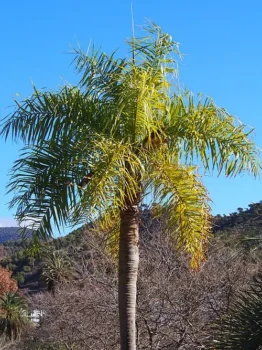
Coyol Palm: A Stunning Tropical Statement Tree for Warm Climate Gardens
Looking to add some serious tropical flair to your landscape? The coyol palm (Acrocomia vinifera) might just be the dramatic statement tree you’ve been searching for. With its impressive stature and distinctive spiny trunk, this palm commands attention while bringing an authentic tropical vibe to any garden.
What is the Coyol Palm?
The coyol palm is a striking feather palm native to Mexico and Central America. Don’t let the intimidating spines fool you – this beauty has been gracing tropical landscapes for centuries, offering both visual appeal and practical benefits to those who know how to work with it.
Where Does It Come From?
This palm calls the warm regions of Mexico, Guatemala, Honduras, Nicaragua, and Costa Rica home. In its native habitat, you’ll find it thriving in tropical and subtropical climates where it has adapted to both wet and dry seasons.
Why Consider Growing a Coyol Palm?
Here’s what makes this palm special in the landscape:
- Dramatic presence: The spiny trunk and crown of arching fronds create an instant focal point
- Pollinator friendly: Small flowers attract bees and other beneficial insects
- Drought tolerance: Once established, it can handle dry periods well
- Tropical authenticity: Perfect for creating that resort-style atmosphere
Growing Conditions and Care
The coyol palm is happiest in USDA hardiness zones 9b through 11, which means it needs those warm temperatures year-round. Here’s what it prefers:
- Sunlight: Full sun for best growth and form
- Soil: Well-draining soil is crucial – soggy roots spell trouble
- Water: Regular watering when young, more drought tolerant as it matures
- Wind protection: Shield from strong winds that can damage the fronds
Planting and Care Tips
Getting your coyol palm off to a good start is key to long-term success:
- Plant in a location with plenty of space – these palms need room to spread
- Keep soil consistently moist during the establishment period
- Be patient with growth – palms aren’t speed demons
- Avoid planting in low-lying areas where water might collect
- Consider wind patterns when selecting your planting site
Is This Palm Right for Your Garden?
The coyol palm works wonderfully as a specimen tree in tropical and subtropical gardens, Mediterranean-style landscapes, or anywhere you want to create a bold tropical statement. However, it’s worth noting that this palm isn’t native to most of the United States.
If you’re passionate about supporting local ecosystems, consider researching native palm species in your area first. Many regions have their own stunning native palms that provide similar aesthetic appeal while supporting local wildlife and requiring less maintenance.
That said, if you’re in zones 9b-11 and have your heart set on tropical drama, the coyol palm can be a wonderful addition when grown responsibly and with proper care.
The Bottom Line
The coyol palm offers undeniable tropical beauty for warm climate gardeners willing to provide the right growing conditions. While it requires some specific care and isn’t suitable for all climates, it rewards patient gardeners with years of stunning landscape presence. Just remember to do your homework on local native alternatives and always source your plants responsibly!