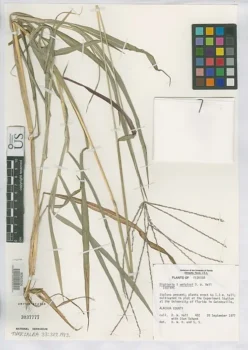
Crabgrass: The Mystery of Digitaria ×umfolozi
When it comes to crabgrass, most gardeners immediately think of the common lawn weeds that pop up uninvited every summer. But Digitaria ×umfolozi presents us with quite the botanical puzzle – a grass species that’s more mystery than certainty in the gardening world.
What We Know (And What We Don’t)
Digitaria ×umfolozi falls into the crabgrass family, and like its relatives, it’s a grass or grass-like plant. The × symbol in its name suggests it’s a hybrid, and umfolozi likely references the Umfolozi region of South Africa. However, here’s where things get interesting – reliable information about this particular species is remarkably scarce.
What we can say with confidence is that it belongs to the Digitaria genus, which means it shares characteristics with other crabgrasses: typically annual or perennial grasses with finger-like seed heads and a tendency to spread.
Geographic Distribution and Native Status
The geographic distribution and native status of Digitaria ×umfolozi remain unclear from available botanical sources. This uncertainty makes it difficult to provide definitive guidance about where it naturally occurs or whether it’s appropriate for specific regions.
Should You Plant It?
Here’s where we need to pump the brakes a bit. Given the limited information available about this specific species and the general reputation of Digitaria species for aggressive spreading, we’d recommend extreme caution. Many crabgrass species are considered weedy or invasive, and without clear data on this particular hybrid’s behavior, it’s hard to give it a green light for garden use.
Better Alternatives for Your Garden
Instead of gambling with an unknown quantity, consider these well-documented native grass alternatives:
- Buffalo grass (Poaceae family natives) for lawn areas
- Native sedges for naturalized areas
- Regional bunch grasses for prairie or meadow gardens
- Native rushes for wet areas
Growing Conditions (If You Proceed)
Since specific growing requirements for Digitaria ×umfolozi aren’t well-documented, we can only extrapolate from other Digitaria species, which typically prefer:
- Full sun conditions
- Well-drained to moderately moist soils
- Warm season growth patterns
- Annual or short-lived perennial lifecycle
The Bottom Line
Digitaria ×umfolozi remains something of an enigma in the plant world. Without clear information about its invasive potential, growing requirements, or even confirmed existence in cultivation, it’s difficult to recommend it for garden use. When in doubt, it’s always better to choose well-documented native plants that will support local ecosystems without risk.
If you’re drawn to grass-like plants for your landscape, consult with local native plant societies or extension services to find species that are both beautiful and ecologically appropriate for your specific region.