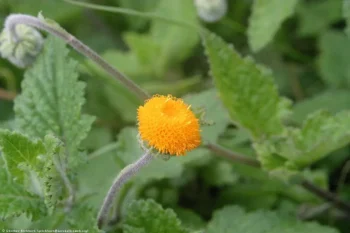
The Mysterious Crassocephalum vitellinum: A Plant Shrouded in Garden Mystery
If you’ve stumbled across the name Crassocephalum vitellinum in your plant research, you’re not alone in wondering what exactly is this plant? This member of the daisy family (Asteraceae) is one of those botanical enigmas that keeps even seasoned gardeners scratching their heads.
What We Know (And Don’t Know) About This Plant
Crassocephalum vitellinum belongs to a genus of plants primarily found in tropical Africa, but here’s where things get tricky – reliable information about this specific species is remarkably scarce. Unlike its better-known cousin Crassocephalum crepidioides (redflower ragleaf), which has made its way into gardens worldwide, C. vitellinum remains largely undocumented in mainstream horticultural literature.
The Challenge for Gardeners
Without clear information about its native range, growing requirements, or garden performance, recommending whether to plant Crassocephalum vitellinum becomes quite the puzzle. We don’t have reliable data on:
- Its preferred growing conditions
- USDA hardiness zones
- Whether it’s invasive or beneficial
- Its appearance and growth habits
- Pollinator or wildlife benefits
A Word of Caution
When dealing with poorly documented plant species, especially those from tropical regions, it’s wise to proceed with caution. Some Crassocephalum species can be weedy or aggressive spreaders, while others are valued for their ornamental qualities or traditional uses.
Better Alternatives for Your Garden
If you’re drawn to plants in the Asteraceae family, consider these well-documented native alternatives that offer reliable garden performance:
- Native asters (Symphyotrichum species)
- Goldenrod (Solidago species)
- Black-eyed Susan (Rudbeckia species)
- Purple coneflower (Echinacea purpurea)
These plants provide proven benefits to pollinators, are well-suited to various garden conditions, and won’t leave you guessing about their needs or behavior.
The Bottom Line
While Crassocephalum vitellinum might sound intriguing, the lack of reliable growing information makes it a risky choice for most gardeners. Your time and garden space are precious resources – why not invest them in plants with proven track records and clear benefits to local ecosystems?
Sometimes the most responsible gardening advice is simply: when in doubt, choose something better documented. Your garden (and local wildlife) will thank you for it.