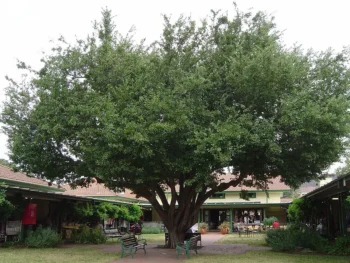
Crataegus ×grignonensis: The Mystery Hawthorn Hybrid
If you’ve stumbled across the name Crataegus ×grignonensis in your plant research, you’re not alone in scratching your head. This particular hawthorn hybrid is something of a botanical enigma, with very little documented information available in standard horticultural references.
What We Know (And Don’t Know)
The × symbol in the name tells us this is a hybrid hawthorn, meaning it’s a cross between two different Crataegus species. However, beyond this basic classification, reliable information about Crataegus ×grignonensis is surprisingly scarce. We don’t have clear documentation about:
- Its parent species
- Common names
- Native range or distribution
- Growing requirements
- Ornamental characteristics
- Wildlife benefits
The Challenge for Gardeners
This lack of information presents a real challenge for home gardeners. Without knowing the plant’s specific needs, growth habits, or even its availability in the nursery trade, it’s difficult to make informed decisions about including it in your landscape.
Better Alternatives: Well-Documented Native Hawthorns
Rather than pursuing this mystery hybrid, consider these well-researched native hawthorn species that offer proven benefits for both gardeners and wildlife:
- Downy Hawthorn (Crataegus mexicana) – Excellent for wildlife, beautiful spring blooms
- Black Hawthorn (Crataegus douglasii) – Native to western North America, drought tolerant
- Eastern Red Hawthorn (Crataegus chrysocarpa) – Showy flowers and colorful fall fruit
The Bottom Line
While Crataegus ×grignonensis may exist in some form, the lack of available growing information makes it an impractical choice for most gardeners. Your time and garden space are better invested in well-documented native hawthorn species that offer reliable performance and known benefits to local ecosystems.
If you’re specifically interested in hawthorn hybrids, consult with local native plant societies or botanical experts who might have regional knowledge about lesser-known cultivars in your area.