Oriental Hawthorn: A Mediterranean Beauty for Your Garden
If you’re looking to add some Old World charm to your landscape, Crataegus orientalis might just be the tree you’ve been searching for. This lovely hawthorn species, commonly known as Oriental hawthorn or Turkish hawthorn, brings a touch of Mediterranean elegance to gardens across temperate regions.
Where Does Oriental Hawthorn Come From?
Oriental hawthorn is native to the eastern Mediterranean region, particularly Turkey and Syria, where it has been gracing landscapes for centuries. This hardy tree has adapted to the warm, dry summers and mild winters typical of its homeland, making it surprisingly resilient in similar climates elsewhere.
What Makes This Tree Special?
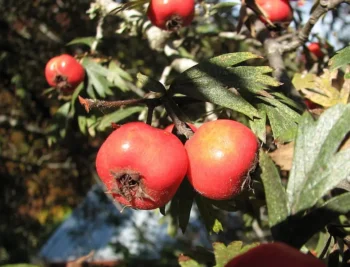
Oriental hawthorn is a real showstopper throughout the seasons. In spring, it bursts into bloom with clusters of white flowers that practically glow against the fresh green foliage. Come fall, the tree transforms again, producing bright orange-red berries that add a pop of color just when your garden needs it most. The leaves themselves are attractive too, with their distinctive lobed shape creating interesting texture and patterns.
Is Oriental Hawthorn Right for Your Garden?
This Mediterranean native works particularly well in certain garden styles:
- Mediterranean or xerophytic gardens where water conservation is key
- Wildlife gardens where you want to attract birds and pollinators
- Formal landscapes where you need a reliable, attractive specimen tree
- Areas where you want low-maintenance beauty
However, since Oriental hawthorn isn’t native to North America, you might want to consider native alternatives like our own American hawthorn species (Crataegus mexicana in the Southwest or Crataegus douglasii in the Pacific Northwest) which provide similar benefits while supporting local ecosystems.
Growing Conditions and Care
One of the best things about Oriental hawthorn is how easygoing it is once established. Here’s what it needs to thrive:
- Sunlight: Full sun for best flowering and fruiting
- Soil: Well-drained soil (it’s quite tolerant of different soil types)
- Water: Drought tolerant once established, but appreciates regular water during its first year
- Climate: Hardy in USDA zones 6-9
Planting and Care Tips
Getting your Oriental hawthorn off to a good start is pretty straightforward:
- Plant in early spring or fall when temperatures are moderate
- Dig a hole twice as wide as the root ball but no deeper
- Water regularly the first year, then let nature take over
- Prune in late winter to maintain shape and remove any dead wood
- Be patient – this tree takes its time to establish but rewards you with decades of beauty
Wildlife and Pollinator Benefits
Oriental hawthorn isn’t just pretty to look at – it’s also a valuable resource for local wildlife. The spring flowers are magnets for bees, butterflies, and other pollinators, while the fall berries provide food for birds. If you’re trying to create a more wildlife-friendly garden, this tree can definitely play a supporting role.
The Bottom Line
Oriental hawthorn offers reliable beauty with minimal fuss, making it a solid choice for gardeners who want Mediterranean flair without high maintenance demands. While it’s not native to North America, it’s not considered invasive either, so you can grow it with a clear conscience. Just remember to consider native hawthorn alternatives first – your local wildlife will thank you for it!
Whether you choose Oriental hawthorn or a native alternative, you’ll be adding a tree that brings year-round interest, supports pollinators, and asks for very little in return. Now that’s what we call a garden win-win!