Creeping Bentgrass: The Persistent Lawn Grass That Spreads Like Wildfire
If you’ve ever wondered about that lush, fine-textured grass covering golf courses and some of the most pristine lawns in your neighborhood, you’ve likely encountered creeping bentgrass (Agrostis stolonifera). This perennial grass has quite the reputation—both good and challenging—depending on who you ask and where you’re trying to grow it.
What Exactly Is Creeping Bentgrass?
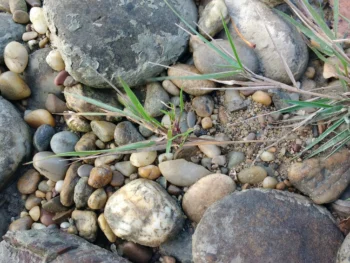
Creeping bentgrass is a cool-season perennial grass known for its stoloniferous growth habit, which is a fancy way of saying it spreads by sending out horizontal stems (stolons) that root wherever they touch the ground. This spreading nature is both its greatest asset and its biggest drawback, depending on your gardening goals.
You might also see this grass referred to by its various scientific synonyms, including Agrostis alba var. palustris or Agrostis palustris, though Agrostis stolonifera is the accepted name today.
Where Does It Come From and Where Can You Find It?
Here’s where things get interesting: creeping bentgrass isn’t actually native to North America. This European and Asian native has made itself quite at home across the continent, establishing populations from Alaska to Hawaii and everywhere in between. It’s now found in all 50 states, most Canadian provinces, and even Greenland.
The grass has become so widespread that it reproduces spontaneously in the wild without any human help, thriving in diverse climates from the frigid temperatures of Alaska (it can survive down to -53°F!) to the tropical conditions of Hawaii.
- Species observed
- No observations
The Good, The Bad, and The Spreading
Creeping bentgrass grows rapidly and reaches about 2 feet in height when left unmown. Its fine texture and dense growth make it incredibly appealing for certain applications:
- Creates a luxurious, carpet-like lawn surface
- Excellent for high-traffic areas due to its spreading nature
- Self-repairing thanks to those spreading stolons
- Tolerates wet conditions better than many other grasses
However, this grass comes with some significant challenges that every gardener should consider:
- Extremely high water requirements
- Demands frequent fertilization
- Virtually no drought tolerance
- Cannot tolerate shade
- Can become invasive in mixed grass situations
Growing Conditions: High Maintenance but Worth It?
If you’re considering creeping bentgrass, be prepared for a high-maintenance relationship. This grass is the diva of the turf world—beautiful when its needs are met, but demanding nonetheless.
Soil requirements: Prefers fine to medium-textured soils with excellent drainage, though it can handle wet conditions better than most grasses. It thrives in slightly acidic to neutral soils (pH 5.1-7.5).
Water needs: This is where creeping bentgrass gets expensive. It requires consistent, high moisture levels and will quickly brown out during dry periods.
Fertility: Plan on frequent feeding. This grass has high fertility requirements and won’t perform well without regular applications of nitrogen-rich fertilizer.
Climate: As a cool-season grass, it performs best in spring and summer in cooler regions but struggles in hot, humid conditions.
Wetland Wonder
One of creeping bentgrass’s standout features is its relationship with water. Across most regions, it’s classified as facultative wetland, meaning it usually occurs in wetlands but can also survive in drier areas. This makes it an interesting option for wet spots in your landscape where other grasses might struggle.
In Alaska and the Western Mountains, it’s simply facultative, meaning it’s equally comfortable in wet and dry sites, while in Hawaii, it’s actually more of an upland plant.
Planting and Care Tips
If you decide to take the plunge with creeping bentgrass, here’s what you need to know:
Establishment: You can start creeping bentgrass from seed, sod, or sprigs. Seeds are tiny—there are over 6 million seeds per pound! Plant in late summer or early fall for best establishment.
Seeding rate: Plan on using about 1 pound of seed per 1,000 square feet for new lawns.
Ongoing care:
- Water frequently and deeply—this grass drinks like a fish
- Fertilize regularly during the growing season
- Keep it in full sun; shade will weaken and thin the stand
- Be prepared for its spreading nature—it will try to colonize neighboring areas
Wildlife and Pollinator Value
Let’s be honest: creeping bentgrass won’t win any awards for supporting pollinators. Its purple flowers bloom in midsummer but are small and inconspicuous—this is a wind-pollinated grass that doesn’t rely on insect visitors. While it may provide some habitat for small creatures, there are much better choices if supporting wildlife is your primary goal.
Should You Plant It?
Creeping bentgrass excels in specific situations: golf courses, high-end lawns where maintenance isn’t an issue, and wet areas where other grasses fail. However, for most home gardeners, especially those interested in sustainable, low-maintenance landscaping, there are better options.
If you’re looking for alternatives, consider native grasses that offer similar benefits without the high maintenance requirements. Buffalo grass, fine fescue, or regional native bunch grasses can provide attractive groundcover with far less water and fertilizer input.
The bottom line? Creeping bentgrass is a specialist plant for specific situations and dedicated gardeners. If you have the time, resources, and desire for a premium turf experience and don’t mind the environmental costs, it can deliver stunning results. Just be prepared for the commitment—this grass doesn’t do low maintenance.