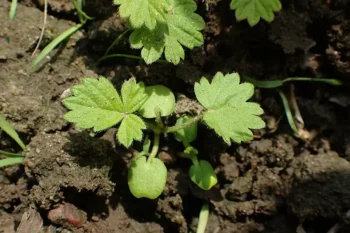
Creeping Grovebur: A Quirky European Herb with a Puzzling Presence
If you’ve ever stumbled across the name creeping grovebur and wondered what on earth it could be, you’re not alone! This intriguingly named plant, scientifically known as Agrimonia odorata, is one of those garden mysteries that has quietly persisted in North American gardens for generations, despite being far from its European homeland.
What Exactly Is Creeping Grovebur?
Creeping grovebur is a perennial forb – essentially a non-woody herbaceous plant that comes back year after year. Originally from Europe, this plant has earned the status of garden persistent, meaning it’s managed to stick around in North American gardens and old homesteads without actually naturalizing in the wild. Think of it as that distant relative who visits and just never quite leaves, but isn’t necessarily causing any trouble.
You might also see this plant listed under its synonym, Agrimonia repens, which gives you a hint about its spreading nature.
Where Can You Find It?
In North America, creeping grovebur has been documented in Prince Edward Island, where it likely arrived with early European settlers and has persisted around old gardens and homesteads. Its limited distribution suggests it’s not particularly aggressive about spreading beyond where it’s planted.
- Species observed
- No observations
What Does It Look Like?
Like other members of the Agrimonia family, creeping grovebur produces small yellow flowers arranged in tall, slender spikes that rise above compound leaves. The flowers eventually develop into those characteristic burs that give the plant its common name – small, hooked seed pods that can catch onto clothing or animal fur.
Should You Plant Creeping Grovebur?
This is where things get interesting. While creeping grovebur isn’t considered invasive or problematic, it’s also not contributing much to local ecosystems since it’s not native to North America. Here are some factors to consider:
Reasons You Might Want It:
- Historical interest – it’s part of our gardening heritage
- Low maintenance once established
- Unique conversation starter with an amusing name
- May attract small pollinators during its flowering period
Reasons You Might Skip It:
- Limited ecological benefits for native wildlife
- Better native alternatives are available
- Can spread and may require management
- Limited ornamental appeal compared to showier natives
Native Alternatives to Consider
If you’re drawn to the idea of a low-maintenance perennial with interesting flowers, consider these native alternatives that will provide much more value to local pollinators and wildlife:
- Wild bergamot (Monarda fistulosa) – beloved by bees and butterflies
- Canada anemone (Anemone canadensis) – early spring bloomer
- Wild ginger (Asarum canadense) – excellent groundcover for shaded areas
Growing Creeping Grovebur (If You Choose To)
Should you decide to give this quirky plant a try, here’s what you need to know:
Growing Conditions:
- Adaptable to various light conditions, from partial shade to full sun
- Prefers well-drained soil but can tolerate some moisture variation
- Likely hardy in USDA zones 4-8, based on related species
- Drought tolerant once established
Planting and Care Tips:
- Plant in spring after the last frost
- Space plants about 18 inches apart to allow for spreading
- Water regularly the first season to establish roots
- Minimal fertilization needed – too much can encourage excessive leaf growth
- Deadhead spent flowers to prevent unwanted self-seeding
- Divide clumps every 3-4 years to maintain vigor
The Bottom Line
Creeping grovebur is one of those plants that exists in the gardening grey area – not native, but not necessarily harmful either. While it won’t win any awards for supporting local ecosystems, it’s also not going to take over your neighborhood. If you’re curious about this piece of gardening history, there’s no major reason not to try it, but you might find more satisfaction (and provide more environmental benefit) by choosing native alternatives that offer similar characteristics with added ecological value.
Whatever you decide, remember that every plant in your garden is a choice – make it count!