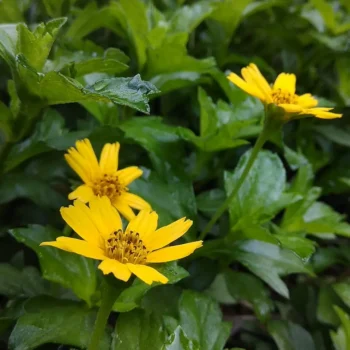
Creeping-Oxeye: A Sunny Groundcover with a Spreading Personality
Meet creeping-oxeye (Sphagneticola), a cheerful yellow-flowered plant that’s made itself quite at home in warm climates across the southern United States and tropical islands. With its bright daisy-like blooms and vigorous spreading habit, this herbaceous perennial has caught the attention of gardeners looking for reliable groundcover options.
What Is Creeping-Oxeye?
Creeping-oxeye is a forb—essentially a non-woody plant that stays relatively close to the ground. Unlike shrubs or trees, it doesn’t develop significant woody tissue, instead relying on its spreading stems and underground growth points to expand across the landscape. This plant can behave as either an annual or perennial depending on your climate, though it tends to stick around year after year in warmer zones.
Where You’ll Find It Growing
Currently, creeping-oxeye has established populations in Florida, Hawaii, Louisiana, Puerto Rico, the U.S. Virgin Islands, and even extends to places like Palau and other U.S. Minor Outlying Islands. It’s important to note that this plant isn’t native to any of these locations—it’s what botanists call a naturalized species that arrived from elsewhere and decided to stay.
- Species observed
- No observations
The Appeal of Creeping-Oxeye
There’s no denying that creeping-oxeye has some attractive qualities that draw gardeners to it:
- Bright yellow, daisy-like flowers that bloom prolifically
- Dense groundcover that can help with erosion control
- Tolerant of various soil conditions
- Attracts pollinators like bees and butterflies
- Low-maintenance once established
Growing Conditions and Care
If you’re considering adding creeping-oxeye to your landscape, it thrives in USDA hardiness zones 9-11. Here’s what it prefers:
- Light: Full sun to partial shade
- Soil: Moist to wet soils, though it’s quite adaptable
- Water: Regular moisture, especially during establishment
- Space: Give it room to spread, as it’s quite the traveler
The key thing to remember about creeping-oxeye is that it’s an enthusiastic spreader. What starts as a small patch can quickly expand to cover much larger areas, which can be either a blessing or a challenge depending on your goals.
Garden Design Considerations
Creeping-oxeye works well in tropical and subtropical landscapes where you need reliable groundcover. It’s particularly useful for:
- Coastal gardens where salt tolerance is needed
- Areas prone to erosion
- Large spaces where you want quick coverage
- Pollinator gardens in warm climates
A Word About Alternatives
While creeping-oxeye can be useful in certain situations, it’s worth considering native groundcover alternatives that might provide similar benefits while supporting local ecosystems. Depending on your region, native options might include local sedges, native violets, or region-specific wildflowers that offer groundcover benefits without the unknowns that come with non-native species.
The Bottom Line
Creeping-oxeye is a plant that delivers on its promise of coverage and color, but it’s one that requires thoughtful placement and management. If you choose to grow it, be prepared for its spreading nature and consider how it fits into your broader landscape goals. And always remember—when in doubt, native plants are usually your best bet for supporting local wildlife and maintaining ecological balance.
Whether you’re dealing with a challenging slope, a wet area that needs coverage, or simply want something that blooms reliably in warm weather, understanding creeping-oxeye’s personality will help you decide if it’s the right fit for your garden adventures.