Creeping Velvetgrass: A Non-Native Ground Cover Grass for Your Garden
If you’ve been searching for a soft-textured grass that can handle a bit of shade, you might have come across creeping velvetgrass (Holcus mollis). This European native has made itself quite at home across parts of North America, and while it’s not originally from our neck of the woods, it’s worth understanding what this perennial grass brings to the table—and what you should consider before inviting it into your garden.
What Exactly Is Creeping Velvetgrass?
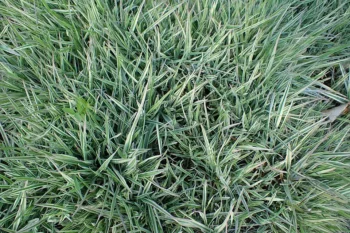
Creeping velvetgrass is a perennial grass that lives up to its name with distinctively soft, velvety-textured foliage. This graminoid (that’s fancy talk for grass-like plants) spreads through underground stems called rhizomes, creating gentle carpets of grayish-green grass that can reach 1-3 feet in height.
Originally hailing from Europe and western Asia, this adaptable grass has established itself across multiple regions in North America, including British Columbia, California, Delaware, Idaho, New Hampshire, New Jersey, New York, North Carolina, Oregon, Pennsylvania, Vermont, Washington, and Newfoundland.
- Species observed
- No observations
The Pros and Cons of Growing Creeping Velvetgrass
Before you decide whether creeping velvetgrass deserves a spot in your landscape, let’s weigh the benefits and drawbacks:
The Good Stuff:
- Tolerates partial shade better than many grasses
- Creates a soft, attractive ground cover
- Handles various moisture conditions (facultative wetland status means it’s flexible)
- Low maintenance once established
- Hardy in USDA zones 5-9
The Not-So-Good:
- It’s not native to North America, so it won’t support local ecosystems like native grasses
- Can spread aggressively through rhizomes
- Offers minimal benefits to pollinators (it’s wind-pollinated)
- May outcompete native plants in some situations
Where Does Creeping Velvetgrass Fit in Your Landscape?
This grass works best in naturalized woodland gardens or areas where you want low-maintenance ground cover that can handle some shade. It’s particularly suited for:
- Understory areas beneath trees
- Transitional zones between formal and wild garden areas
- Slopes that need erosion control
- Areas with variable moisture conditions
Growing Conditions and Care
Creeping velvetgrass is refreshingly undemanding. It prefers moist, well-drained soils but adapts to various conditions—from wetlands to upland areas, depending on your region. It thrives in partial shade to full sun, making it more versatile than many grass species.
The wetland status varies by region: in western areas, it’s more associated with wetlands, while in eastern regions, it typically grows in upland areas. This flexibility means you can likely find a spot for it regardless of your garden’s moisture profile.
Planting and Maintenance Tips
If you decide to grow creeping velvetgrass, here’s what you need to know:
- Plant in spring or early fall for best establishment
- Space plants 12-18 inches apart (they’ll fill in via rhizomes)
- Water regularly during the first growing season
- Once established, it’s quite drought-tolerant
- Minimal fertilization needed
- Cut back in late winter if desired for fresh spring growth
Fair warning: Those spreading rhizomes mean this grass can get around! Keep an eye on it and be prepared to manage its spread if needed.
Consider Native Alternatives
While creeping velvetgrass isn’t considered invasive, choosing native grasses will better support your local ecosystem. Consider these native alternatives that offer similar benefits:
- Buffalo grass (Bouteloua dactyloides) for drier areas
- Pennsylvania sedge (Carex pensylvanica) for shade tolerance
- Wild rye species (Elymus) for naturalized areas
- Native fescue species for cool-season growth
The Bottom Line
Creeping velvetgrass can be a useful addition to certain landscape situations, particularly if you need a shade-tolerant grass for naturalized areas. However, its non-native status means it won’t contribute to supporting local wildlife and pollinators the way native plants do. If you do choose to grow it, plant responsibly and monitor its spread to ensure it doesn’t overwhelm native plants in your area.
Remember, every garden is an opportunity to support biodiversity—so while creeping velvetgrass might solve a particular landscaping challenge, native alternatives will always be the more ecologically beneficial choice for our North American landscapes.