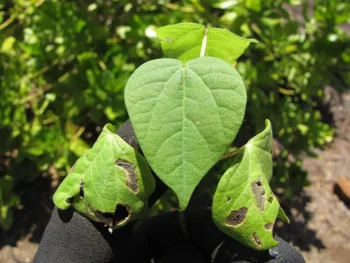
Creole Cotton: Growing This Historical Plant in Your Garden
Ever wondered what it would be like to grow your own cotton? Meet Creole cotton (Gossypium barbadense), a fascinating shrub that brings a piece of agricultural history right into your backyard. While most of us know cotton from our t-shirts and towels, seeing this plant bloom and produce its fluffy white fibers is truly something special.
What is Creole Cotton?
Creole cotton is a perennial shrub that typically grows 4-5 meters tall, though it can be kept smaller with pruning. This multi-stemmed woody plant produces beautiful yellow flowers with striking red centers throughout the warm growing season. After flowering, the plant develops cotton bolls that eventually split open to reveal the classic white cotton fibers we all recognize.
You might also see this plant listed under several botanical synonyms, including Gossypium peruvianum and Gossypium vitifolium, reflecting its complex taxonomic history.
Where Does It Come From?
Originally native to tropical South America, particularly Peru and Ecuador, Creole cotton has spread far from its ancestral home. Today, you’ll find it growing in Hawaii, Guam, Palau, Puerto Rico, and the Virgin Islands, where it has established itself as a non-native species that reproduces on its own in the wild.
- Species observed
- No observations
Should You Grow Creole Cotton?
Creole cotton occupies an interesting middle ground in the gardening world. While it’s not native to most areas where it now grows, it’s also not considered invasive or harmful. Here are some reasons you might want to consider it:
- Educational value – great for teaching kids (and adults!) about where cotton comes from
- Unique ornamental appeal – those yellow and red flowers are genuinely beautiful
- Historical significance – connect with agricultural heritage
- Pollinator benefits – bees and butterflies love the nectar-rich flowers
However, since it’s non-native in most locations, you might also consider native alternatives that provide similar benefits to local ecosystems. Research native flowering shrubs in your area that could offer comparable ornamental value while supporting local wildlife.
Growing Conditions and Care
Creole cotton is surprisingly adaptable, but it does have some preferences. The plant thrives in USDA hardiness zones 9-11, though gardeners in cooler areas can grow it as an annual or in containers that can be moved indoors.
Light and Soil: This sun-loving plant needs full sunlight and well-draining soil. It has a Facultative Upland wetland status, meaning it usually prefers non-wetland conditions but can tolerate some moisture.
Water: While drought-tolerant once established, regular watering during the growing season will keep your plant healthiest and most productive.
Temperature: Being originally from tropical regions, Creole cotton loves warm weather and cannot tolerate frost.
Planting and Care Tips
Starting your Creole cotton journey is relatively straightforward:
- Start from seeds in spring after the soil has warmed up
- Plant in a sunny location with good drainage
- Space plants 3-4 feet apart if growing multiple shrubs
- Pinch growing tips when plants are young to encourage bushier growth
- Water regularly during establishment, then as needed
- In cooler zones, consider container growing so you can bring plants indoors
What to Expect
Your Creole cotton will reward you with months of beautiful blooms followed by the excitement of cotton boll development. The entire process from flower to harvestable cotton takes several months, so patience is key. When the bolls finally split open, you’ll have your own homegrown cotton – perfect for craft projects or just showing off to impressed visitors!
While Creole cotton might not be native to your area, it can be a wonderful addition to tropical gardens, historical landscapes, or educational spaces. Just remember to research native alternatives too – your local pollinators and wildlife will thank you for including plants that evolved alongside them.