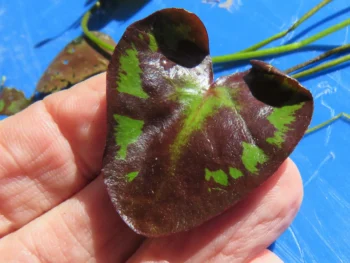
Crested Floatingheart: A Beautiful but Problematic Aquatic Plant
If you’ve been browsing aquatic plants for your pond or water garden, you might have come across the crested floatingheart (Nymphoides cristata). With its delicate white flowers and charming heart-shaped floating leaves, this perennial forb might seem like the perfect addition to your water feature. However, before you make that purchase, there’s something crucial you need to know about this seemingly innocent aquatic plant.
What Is Crested Floatingheart?
Crested floatingheart, scientifically known as Nymphoides cristata, is a perennial aquatic plant that belongs to the floating heart family. You might also see it listed under its botanical synonyms Menyanthes cristata or sometimes confused with Nymphoides hydrophylla. This plant produces small, white flowers with distinctively fringed or crested petals that float on the water’s surface, accompanied by heart-shaped leaves that give the plant its common name.
The Problem: It’s an Invasive Species
Here’s where things get complicated. While crested floatingheart might look lovely, it’s classified as an invasive species in North America. This non-native plant, originally from Asia, has established itself in the wild and now poses a significant threat to our native aquatic ecosystems.
Currently, crested floatingheart has been documented in Florida, where it reproduces spontaneously without human intervention and tends to persist in natural waterways. As an obligate wetland plant, it thrives in wetland environments, which makes it particularly problematic for native wetland species that depend on these sensitive habitats.
- Species observed
- No observations
Why You Shouldn’t Plant It
As much as we love beautiful water plants, we strongly recommend against planting crested floatingheart for several important reasons:
- Aggressive spread: This plant spreads rapidly through fragmentation and runners, quickly overtaking native vegetation
- Ecosystem disruption: It can alter water chemistry and light penetration, affecting native fish, wildlife, and plant communities
- Difficult to control: Once established, it’s extremely challenging to remove from water bodies
- Legal concerns: In some areas, planting invasive species may be prohibited or regulated
Native Alternatives to Consider
Instead of risking ecological damage, consider these beautiful native alternatives for your water garden:
- American lotus (Nelumbo lutea): Stunning large yellow flowers and impressive round leaves
- Fragrant water lily (Nymphaea odorata): Classic white water lilies with incredible fragrance
- Spatterdock (Nuphar advena): Bright yellow cup-shaped flowers and heart-shaped leaves
- Water shield (Brasenia schreberi): Purple flowers and floating oval leaves with a unique gelatinous coating
Growing Conditions (For Identification Purposes)
If you’re trying to identify crested floatingheart in the wild or wondering about its growing requirements, here’s what you should know:
- Sunlight: Thrives in full sun to partial shade
- Water depth: Prefers shallow, still, or slow-moving water
- Climate: Hardy in USDA zones 8-11
- Wetland status: Obligate wetland plant that almost always occurs in wetland environments
What to Do If You Find It
If you discover crested floatingheart in your local waterways or inherited it in a water garden, contact your local extension office or environmental agency. Many areas have removal programs or can provide guidance on proper disposal methods. Never attempt to transplant or relocate this species, as this only contributes to its spread.
The Bottom Line
While crested floatingheart might catch your eye with its pretty white flowers and heart-shaped leaves, it’s simply not worth the environmental risk. By choosing native alternatives, you’ll create a beautiful water feature that supports local wildlife and helps preserve our precious aquatic ecosystems. Remember, the most beautiful gardens are those that work in harmony with nature, not against it.
Your local native plant society or extension office can help you find stunning native aquatic plants that will give you all the beauty you’re looking for without the ecological baggage. Trust us – your local frogs, fish, and waterfowl will thank you!