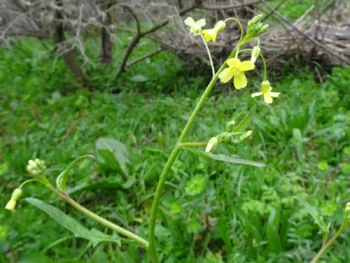
Crested Wartycabbage: An Unusual Annual for Adventurous Gardeners
Meet crested wartycabbage (Bunias erucago), a quirky annual that’s certainly not your typical garden plant. With a name like wartycabbage, you might wonder if this is something you’d actually want in your landscape. While it may not win any beauty contests, this unusual member of the mustard family has some interesting characteristics that might appeal to adventurous gardeners looking for something different.
What Is Crested Wartycabbage?
Crested wartycabbage is a non-native annual plant that has found its way into parts of the United States, particularly in Pennsylvania and Virginia. Originally from the Mediterranean region and parts of Europe and western Asia, this plant has established itself as a naturalized species that reproduces on its own in the wild.
- Species observed
- No observations
Distinctive Features and Appearance
Don’t let the unflattering name fool you – crested wartycabbage has its own unique charm. The plant produces small white flowers arranged in loose, open clusters that bloom throughout the growing season. What really sets this plant apart are its distinctive seed pods, which have a warty, bumpy texture that gives the plant its common name. The deeply lobed leaves add textural interest to the garden.
Should You Grow Crested Wartycabbage?
This is where things get interesting. As a non-native species, crested wartycabbage isn’t going to support local ecosystems the way native plants do. However, it’s not currently listed as invasive or noxious, which means it falls into a gray area for gardeners. Here are some considerations:
Potential Benefits
- Attracts small pollinators like bees and flies with its white flowers
- Extremely low-maintenance once established
- Interesting textural element for wild or naturalized gardens
- Drought tolerant and adaptable to various soil conditions
- Self-seeds readily for continuous presence
Potential Drawbacks
- Limited wildlife benefits compared to native alternatives
- Can self-seed aggressively in favorable conditions
- Not particularly showy or ornamental
- May not align with native gardening goals
Growing Conditions and Care
If you decide to try crested wartycabbage, you’ll find it refreshingly easy to grow. This adaptable annual thrives in USDA hardiness zones 3-9, making it suitable for most of the continental United States.
Preferred conditions:
- Full sun exposure
- Well-draining soil of various types
- Minimal water once established
- Tolerates poor soils and disturbed sites
Planting and Care Tips
Growing crested wartycabbage is straightforward. Direct seed in spring after the last frost, scattering seeds lightly over prepared soil. The plant requires minimal care once established – in fact, too much attention might actually hinder its performance. Water sparingly and avoid fertilizing, as this plant actually prefers lean conditions.
Keep in mind that this annual will readily self-seed, so be prepared for volunteers in subsequent years. If you want to prevent spreading, deadhead the flowers before the distinctive warty seed pods mature.
Native Alternatives to Consider
While crested wartycabbage can be an interesting addition to wild gardens, consider these native alternatives that provide similar benefits while supporting local ecosystems:
- Wild mustard (Brassica kaber) – another mustard family member
- Field pennycress (Thlaspi arvense) – small white flowers, annual habit
- Poor man’s pepper (Lepidium virginicum) – tiny white flowers, self-seeding annual
The Bottom Line
Crested wartycabbage is an unusual choice that might appeal to gardeners interested in unique, low-maintenance annuals for naturalized areas. While it won’t provide the ecological benefits of native species, it’s not currently considered problematic either. If you’re curious about this distinctive plant, try it in a contained area where you can monitor its behavior. Just remember – with a name like wartycabbage, it’s definitely going to be a conversation starter in your garden!