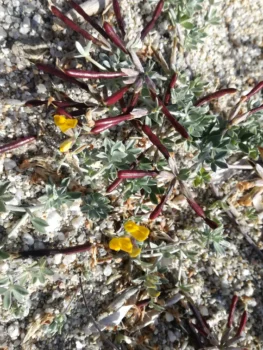
Creta Trefoil: A Mediterranean Charmer for Warm Climate Gardens
If you’re looking to add a touch of Mediterranean flair to your garden, creta trefoil (Lotus creticus) might just be the plant you never knew you needed. This charming little member of the pea family brings sunny yellow blooms and drought-tolerant resilience to warm climate landscapes.
What is Creta Trefoil?
Creta trefoil, also known by its botanical name Lotus creticus, is a low-growing perennial that hails from the sun-soaked Mediterranean region. You might also encounter it under its synonym Lotus commutatus. This delightful plant produces clusters of bright yellow, pea-like flowers that seem to capture sunshine in their petals.
Where Does Creta Trefoil Come From?
This Mediterranean native calls Greece, Turkey, and surrounding regions home, where it has adapted to thrive in rocky, well-draining soils under the relentless Mediterranean sun. It’s perfectly suited to climates that experience hot, dry summers and mild winters.
Why Consider Creta Trefoil for Your Garden?
There are several compelling reasons why this little plant might earn a spot in your landscape:
- Drought tolerance: Once established, it laughs in the face of water restrictions
- Pollinator magnet: Bees absolutely adore those cheerful yellow blooms
- Low maintenance: Perfect for gardeners who prefer plants that don’t demand constant attention
- Ground cover potential: Its spreading habit makes it excellent for covering bare spots
Garden Design and Landscape Uses
Creta trefoil shines brightest in Mediterranean-style gardens, rock gardens, and xerophytic landscapes. Its low-growing habit makes it an excellent choice for:
- Filling gaps between stepping stones
- Cascading over retaining walls
- Adding texture to gravel gardens
- Creating naturalistic ground cover in dry areas
Growing Conditions and Care
This sun-loving plant is refreshingly straightforward to grow, provided you can meet its basic needs:
Sunlight: Full sun is essential for best flowering and growth
Soil: Well-draining soil is absolutely crucial – this plant despises wet feet
Water: Regular water during establishment, then drought-tolerant
Climate: Thrives in USDA zones 8-10
Planting and Care Tips
Getting your creta trefoil off to a good start is surprisingly simple:
- Plant in spring after the last frost
- Ensure excellent drainage – amend heavy soils with gravel or sand if needed
- Water regularly during the first growing season to establish roots
- Once established, water sparingly – overwatering is more harmful than drought
- Deadhead spent flowers to encourage continued blooming
- Allow some flowers to go to seed if you want natural spreading
Pollinator and Wildlife Benefits
While small in stature, creta trefoil punches above its weight when it comes to supporting pollinators. Bees, in particular, seem drawn to its nectar-rich flowers, making it a valuable addition to pollinator gardens in appropriate climates.
A Word About Native Alternatives
While creta trefoil can be a lovely addition to warm climate gardens, consider exploring native alternatives that might provide similar benefits while supporting local ecosystems. Native ground covers and low-growing perennials in your region may offer comparable drought tolerance and pollinator benefits while being perfectly adapted to your local conditions.
The Bottom Line
Creta trefoil is a charming, low-maintenance option for gardeners in warm climates who appreciate Mediterranean-style plants. Its drought tolerance, pollinator appeal, and sunny disposition make it worth considering – just be sure to provide the excellent drainage it craves. Whether you’re creating a water-wise landscape or simply want something different for your rock garden, this little trefoil might just surprise you with its quiet charm.