Cretan Bryony: A Beautiful but Problematic Climbing Vine
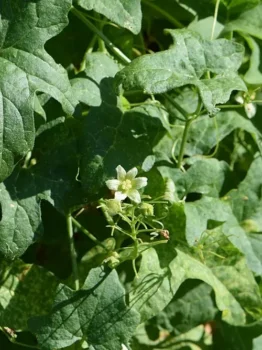
If you’ve ever spotted a vigorous climbing vine with heart-shaped leaves, small white flowers, and bright red berries scrambling over fences or through hedgerows, you might have encountered Cretan bryony (Bryonia dioica). While this Mediterranean native certainly has its charms, there’s more to this story than meets the eye.
What Is Cretan Bryony?
Cretan bryony is a perennial climbing vine that belongs to the cucumber family. This twining plant can quickly cover structures with its long, flexible stems and distinctive heart-shaped leaves. During the growing season, it produces small, inconspicuous white flowers followed by clusters of bright red berries that certainly catch the eye.
You might also see this plant listed under its botanical synonym, Bryonia cretica L. ssp. dioica, but Bryonia dioica is the accepted name today.
Where Does It Grow?
Originally from the Mediterranean region, Cretan bryony has found its way to North America, where it now grows in Manitoba, Canada, and California in the United States. The plant has established itself as a non-native species that reproduces without human assistance and tends to persist in these areas.
- Species observed
- No observations
Should You Plant Cretan Bryony in Your Garden?
Here’s where we need to pump the brakes a bit. While Cretan bryony might seem appealing with its rapid growth and attractive berries, this vine comes with some serious drawbacks that make it less than ideal for most gardens:
- It’s an aggressive grower that can quickly overwhelm other plants
- As a non-native species, it doesn’t provide the same ecological benefits as native alternatives
- Its tendency to spread and persist makes it difficult to control once established
- The berries, while pretty, are toxic if consumed
Better Native Alternatives
Instead of planting Cretan bryony, consider these native climbing alternatives that will provide better support for local wildlife:
- Wild grape (Vitis riparia) – offers food for birds and beautiful fall color
- American groundnut (Apios americana) – produces fragrant flowers and fixes nitrogen
- Virgin’s bower (Clematis virginiana) – creates stunning white flower displays
If You Already Have It
Found Cretan bryony already growing on your property? The best approach is careful removal, especially before it sets seed. Dig up the root system thoroughly, as this plant can regrow from root fragments. Always wear gloves when handling the plant, as some people may experience skin irritation.
The Bottom Line
While Cretan bryony certainly has its visual appeal, its aggressive nature and non-native status make it a poor choice for responsible gardeners. By choosing native alternatives, you’ll create a more balanced ecosystem that supports local wildlife while still getting that lush, climbing vine effect you’re after. Your garden – and your local environment – will thank you for making the more thoughtful choice.