Crimson Bottlebrush: A Striking Non-Native Shrub for Warm Climate Gardens
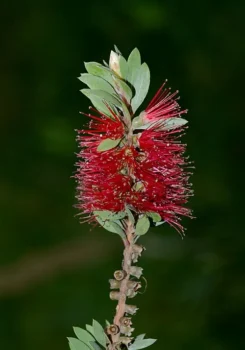
If you’ve ever seen a plant that looks like it’s wearing bright red bottle brushes as flowers, you’ve likely encountered the crimson bottlebrush (Callistemon citrinus). This eye-catching evergreen shrub brings a touch of Australian flair to American gardens, though it’s important to understand both its benefits and its non-native status before adding it to your landscape.
What Exactly Is Crimson Bottlebrush?
Crimson bottlebrush is a perennial, multi-stemmed woody shrub that typically grows 4 to 5 meters (13 to 16 feet) tall, though it can reach greater heights under ideal conditions. Originally from the coastal areas of eastern Australia, this plant has made its way into gardens across warmer regions of the United States, particularly in Louisiana and Puerto Rico, where it now reproduces spontaneously in the wild.
You might also see this plant listed under its former scientific names, including Callistemon lanceolatus or Melaleuca citrina, but Callistemon citrinus is the currently accepted botanical name.
- Species observed
- No observations
Why Gardeners Love (and Sometimes Question) This Plant
The crimson bottlebrush definitely has some show-stopping qualities that make it appealing to gardeners:
- Stunning flowers: Those distinctive cylindrical, bright red blooms are absolute showstoppers and bloom multiple times throughout the year
- Pollinator magnet: Hummingbirds, bees, and butterflies absolutely adore the nectar-rich flowers
- Low maintenance: Once established, it’s quite drought tolerant and doesn’t need much fussing
- Evergreen structure: Provides year-round interest with its attractive foliage and form
- Salt tolerance: Perfect for coastal gardens where salt spray can be an issue
However, it’s worth noting that crimson bottlebrush is not native to the United States. While it’s not currently listed as invasive or noxious, it does reproduce and persist in the wild without human intervention. For gardeners who prioritize supporting local ecosystems, this might be a consideration.
Where and How Crimson Bottlebrush Thrives
This Australian native is happiest in USDA hardiness zones 8b through 11, which explains why it’s established populations in warm areas like Louisiana and Puerto Rico. It’s particularly well-suited for:
- Mediterranean-style gardens
- Coastal landscapes
- Low-water or drought-tolerant gardens
- Contemporary landscape designs
In your garden design, crimson bottlebrush works beautifully as a specimen plant, in mixed shrub borders, or even as an informal hedge or screen. Its unique texture and color make it a natural focal point.
Growing Crimson Bottlebrush Successfully
If you decide to grow crimson bottlebrush, here’s how to keep it happy:
Location and Soil: Choose a spot with full sun and well-draining soil. This plant absolutely hates wet feet, so avoid areas where water tends to collect.
Planting: Spring is the ideal time to plant. Dig a hole as deep as the root ball and twice as wide, then backfill with native soil.
Watering: Water regularly during the first year to help establish a strong root system. After that, it becomes quite drought tolerant and actually prefers to dry out between waterings.
Pruning: Prune lightly after flowering to maintain shape. Avoid heavy pruning, as this can reduce next season’s blooms.
Fertilizing: This plant doesn’t need much fertilizer. In fact, too much can reduce flowering. A light application of balanced fertilizer in early spring should be sufficient.
Consider Native Alternatives
While crimson bottlebrush can be a beautiful addition to appropriate gardens, you might also consider native plants that provide similar benefits for local wildlife. Depending on your region, native alternatives might include bottlebrush-like plants such as native Amorpha species, or other shrubs that attract hummingbirds and pollinators while supporting local ecosystems.
The Bottom Line
Crimson bottlebrush is undeniably gorgeous and relatively easy to grow in the right conditions. Its spectacular flowers and ability to attract pollinators make it appealing to many gardeners. However, as a non-native species that can naturalize, it’s worth considering whether it fits with your gardening philosophy and local ecosystem goals. If you do choose to plant it, you’ll be rewarded with a striking shrub that brings a unique architectural element and brilliant color to your warm-climate garden.