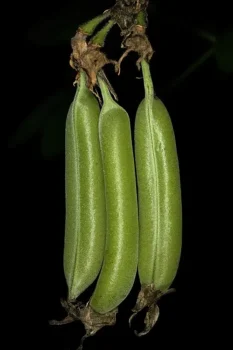
Crotalaria capensis: A Bright Yellow Beauty for Warm Climate Gardens
If you’re looking for a cheerful, drought-tolerant plant that brings sunny yellow blooms to your garden, Crotalaria capensis might catch your eye. This South African native has found its way into warm-climate gardens across the United States, offering an easy-care option for gardeners who want vibrant color without the fuss.
What is Crotalaria capensis?
Crotalaria capensis is a flowering plant native to South Africa’s Cape region. While it doesn’t have a widely recognized common name in the United States, this member of the legume family is known for its distinctive bright yellow, pea-like flowers and attractive silvery-green foliage. As a non-native species, it’s worth considering alongside native alternatives when planning your garden.
Geographic Distribution and Growing Range
Originally from South Africa, Crotalaria capensis has adapted well to similar Mediterranean climates. In the United States, it thrives in USDA hardiness zones 9-11, making it suitable for gardens in Florida, southern California, southern Texas, and other warm regions.
Why Consider Crotalaria capensis for Your Garden?
This plant offers several appealing characteristics for the right garden setting:
- Drought tolerance: Once established, it requires minimal watering
- Bright blooms: The cheerful yellow flowers add vibrant color to the landscape
- Pollinator friendly: Bees and other pollinators are drawn to its nectar-rich flowers
- Low maintenance: Easy to grow with minimal care requirements
- Self-seeding: May naturalize in suitable conditions, providing ongoing blooms
Garden Design and Landscape Uses
Crotalaria capensis works well in several garden styles and situations:
- Mediterranean gardens: Perfect for drought-tolerant, sun-loving plant combinations
- Cottage gardens: Adds informal charm with its bright, cheerful blooms
- Border plantings: Makes an excellent accent plant in mixed borders
- Naturalized areas: Can fill in larger spaces where low-maintenance color is desired
Growing Conditions and Care
Growing Crotalaria capensis successfully is refreshingly straightforward:
- Sunlight: Thrives in full sun locations
- Soil: Prefers well-draining soil; tolerates poor soils once established
- Water: Drought tolerant after establishment; avoid overwatering
- Wetland status: As a facultative upland plant in arid regions, it typically grows in non-wetland areas but can tolerate some moisture
Planting and Propagation Tips
Getting started with Crotalaria capensis is easy:
- From seed: Direct sow in spring after frost danger passes
- Spacing: Allow adequate room for mature size
- Initial care: Water regularly until established, then reduce frequency
- Maintenance: Minimal pruning needed; deadhead spent blooms to encourage continued flowering
Consider Native Alternatives
While Crotalaria capensis can be a lovely addition to warm-climate gardens, consider these native alternatives that provide similar benefits while supporting local ecosystems:
- Penstemon species: Native beardtongues offer colorful tubular flowers
- Rudbeckia species: Black-eyed Susans provide bright yellow blooms
- Ratibida species: Prairie coneflowers offer cheerful yellow flowers
- Regional legumes: Local wild lupines or other native pea family members
The Bottom Line
Crotalaria capensis offers an easy-care option for gardeners in warm climates who want bright yellow blooms and drought tolerance. While it’s not native to North America, it can be a reasonable choice for Mediterranean-style gardens or naturalized areas where low-maintenance color is desired. However, always consider native alternatives first, as they provide better support for local wildlife and ecosystems. If you do choose to grow Crotalaria capensis, you’ll find it a rewarding, low-fuss addition that brings sunny cheer to your garden with minimal effort on your part.